
Categories
BUYING, SELLING, INVESTINGPublished September 25, 2026
Why Two Similar Houses Can Sell for Completely Different Prices

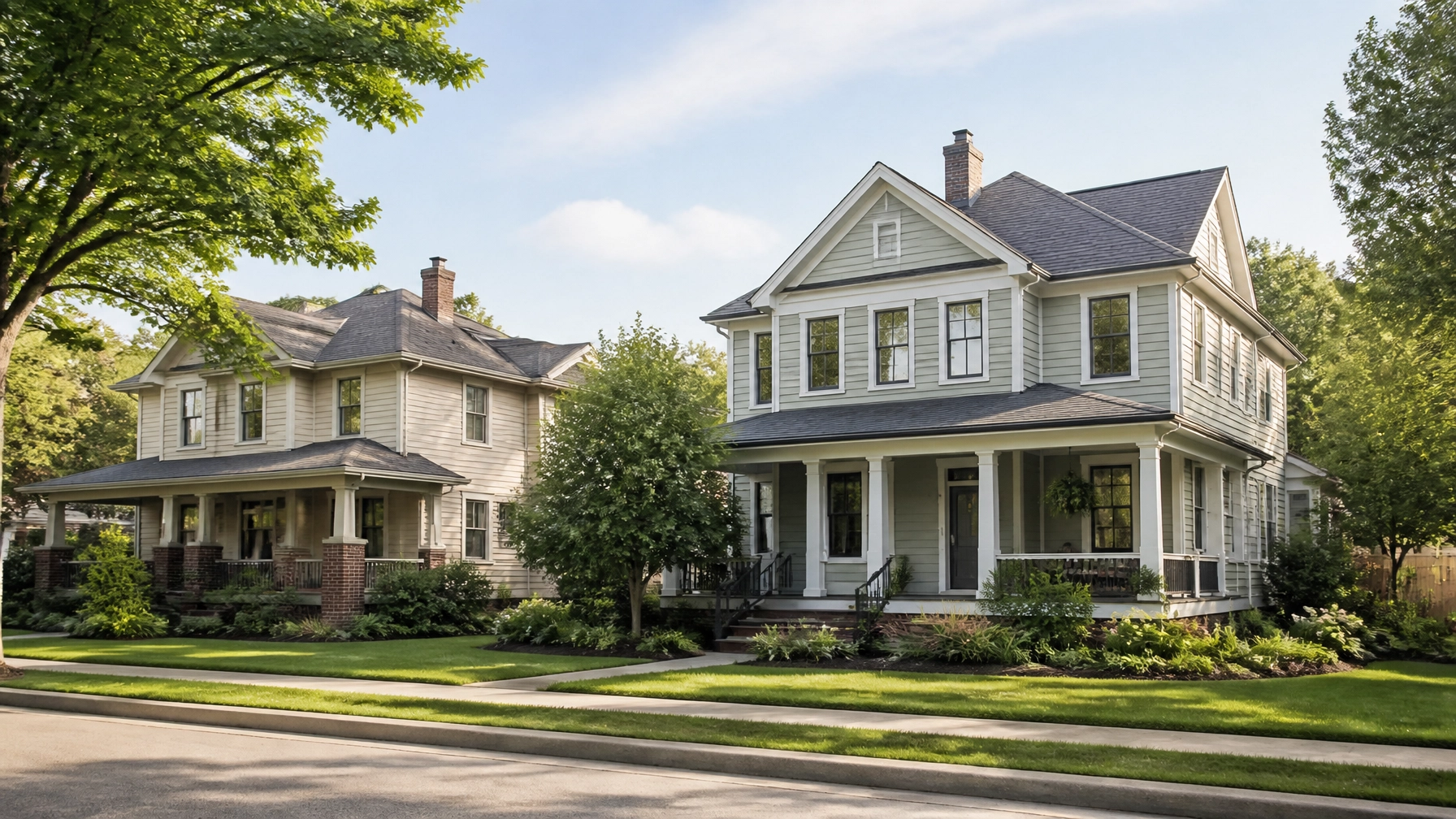
Why Two Similar Houses Can Sell for Completely Different Prices

At first glance, two homes can appear nearly identical. They may have the same number of bedrooms, similar square footage, comparable online photos, and addresses only a few streets apart.
Yet one sells quickly at a strong price while the other sits, receives a lower offer, or requires a price reduction.
What buyers and sellers often focus on is the visible comparison: bedrooms, bathrooms, and price per square foot. But the real value of a home goes far beyond those numbers...
In Northeast Ohio, small differences in location, condition, layout, buyer demand, and marketing can create a meaningful gap between two properties that look similar online.
Micro-Location Can Change the Entire Comparison
“Same city” does not always mean “same market.”
A home in Lakewood near shops, restaurants, parks, and transportation may attract a different buyer pool than a similar home closer to a busy road or farther from walkable amenities. In Rocky River, proximity to the lake, commercial areas, major roads, and surrounding homes can affect how buyers perceive a property.
Even within the same neighborhood, street position matters:
- A quiet interior lot may feel more private than a home on a main road.
- A corner lot may provide more visibility and yard access but also more traffic exposure.
- A house near a highway, railroad, commercial corridor, or busy intersection may receive less interest.
- A home backing to trees or open space may feel more private than one facing another row of houses.
- Walkability, sidewalk access, and distance to parks or local businesses can shape buyer demand.
Two homes in Solon or Hudson may also fall within different school or municipal boundaries. A boundary line can affect school assignment, taxes, services, zoning, and buyer expectations: even when the homes are physically close.
That is why a strong comparable sale is usually local in more ways than geography alone. It should reflect the same general market, not simply the same ZIP code.

Lot Size and Usable Outdoor Space Matter
Lot size is not just a number on a property record. Buyers pay attention to how the land functions.
A larger lot may offer room for:
- A play area
- A patio or deck
- Gardening
- A future addition, where permitted
- More separation from neighboring homes
- Additional parking or outdoor storage
But a larger lot is not automatically more valuable if it is steep, difficult to maintain, poorly drained, or located beside a significant nuisance.
The usable portion of the lot matters. A modest, level yard with privacy may appeal more than a technically larger lot that is mostly unusable. Fencing, landscaping, mature trees, drainage, and the relationship between the home and the street can all influence the buyer’s experience.
In older Cleveland neighborhoods or communities such as Parma, lot dimensions and driveway access can also vary considerably from one block to the next. A garage with convenient access may make one property more functional than another with a similar home footprint but limited parking.
Above-Grade Space and Finished Basements Are Not Interchangeable
Square footage is one of the most commonly compared: and most commonly misunderstood: property measurements.
A home with more finished living area may be worth more, but not all finished space contributes value in the same way. Above-grade living space is typically viewed differently from basement space, even when both areas are finished and attractive.
A finished basement may provide valuable flexibility for:
- A recreation room
- A home office
- A guest area
- A workout space
- Storage
- A playroom
However, buyers and appraisers may consider ceiling height, natural light, moisture history, access, egress, finish quality, and whether the space functions as true living area.
Two homes may both advertise a similar total finished square footage, but one may have more practical, above-grade space. That difference can affect both buyer interest and appraisal support.

Layout and Functionality Can Outweigh Raw Size
A house does not become more useful simply because it is larger.
One home may have a well-designed kitchen connected to the main living area, a convenient first-floor bathroom, adequate bedroom separation, and a practical entry from the garage. Another may have the same general size but a choppy layout, narrow pathways, limited storage, or bedrooms that require walking through another room.
Buyers notice these differences quickly during a showing.
Functionality can include:
- Room placement
- Bedroom privacy
- Number and location of bathrooms
- Closet and pantry storage
- Laundry location
- First-floor living options
- Flow between the kitchen, dining, and living areas
- Access to the yard, basement, and garage
A smaller home with an efficient layout may compete successfully against a larger home that feels awkward or expensive to reconfigure.
Renovations Show Value: but Maintenance Protects It
Online listings can make two homes look comparable even when their ownership costs are very different.
One property may have a renovated kitchen and updated bathrooms but still need a roof, windows, electrical work, or drainage improvements. Another may have less dramatic cosmetic updates but a newer roof, furnace, air-conditioning system, plumbing, and windows.
Buyers are not only evaluating appearance. They are also estimating future expense, inconvenience, and risk.
Important differences may include:
- Roof age and remaining useful life
- Furnace and air-conditioning condition
- Water heater age
- Window quality
- Electrical and plumbing updates
- Foundation or masonry concerns
- Insulation and energy efficiency
- Drainage and grading
- Evidence of deferred maintenance
A home that appears “move-in ready” may command stronger interest when buyers believe fewer large projects are waiting after closing. Meanwhile, a dated home can still sell well when priced accurately and presented honestly: but the price needs to reflect the work involved.
Natural Light, Views, Privacy, and Parking Influence Buyer Emotion
Some features are difficult to reduce to a spreadsheet, but they can strongly influence an offer.
Natural light changes how rooms feel. A house with favorable exposure, larger windows, or fewer obstructions may appear more welcoming than a similar home that feels dark inside.
Views and privacy matter as well:
- A wooded rear setting may create a stronger sense of seclusion.
- A nearby open field or park may add visual appeal.
- A home facing a parking lot or commercial property may attract fewer buyers.
- Mature landscaping may improve privacy while also requiring maintenance.
Garage and parking arrangements are especially important in Northeast Ohio, where winter weather affects daily life. An attached garage, additional parking pad, oversized garage, or easy driveway access may provide real convenience. But the contribution depends on the neighborhood and the buyer pool. In some Lakewood areas, off-street parking can be highly meaningful; in other settings, garage size and storage may matter more.

Timing and Buyer Demand Can Separate the Final Prices
Even genuinely similar homes can sell for different prices because market conditions change.
A property listed when inventory is limited may receive strong attention from buyers who have been waiting for the right home. A similar property listed later may face more competition, fewer active buyers, or higher borrowing costs.
Timing can affect:
- Number of showings
- Speed of offers
- Strength of buyer negotiation
- Likelihood of multiple offers
- Inspection and appraisal terms
- Seller concessions
- Days on market
Buyer demand is also specific to the property’s price range and location. A home that appeals to first-time buyers may perform differently from one targeting move-up buyers or investors. A large, updated home in Hudson may attract a different audience than a smaller home in a Cleveland neighborhood, even if both have similar bedroom counts.
Marketing Quality Changes the Competition
Marketing does not replace value, but it affects how many buyers recognize that value.
Professional photography, accurate room descriptions, floor plans, video, virtual tours, and thoughtful launch timing can help a home stand out. Strong marketing may create more showings, which can lead to better competition and cleaner offers.
Weak marketing can do the opposite. Dark photos, incomplete information, poor presentation, or an unrealistic price may cause buyers to reject the property before they ever schedule a showing.
Milestone Property Group emphasizes three elements in a selling strategy: how a home is priced, how it shows, and how it is marketed. The team’s selling services include comparable property analysis and multi-channel marketing designed to reach buyers online and in person.
Concessions and Financing Mix Affect the Reported Sale Price
The final sale price does not tell the entire story.
A transaction may include seller-paid closing costs, a temporary interest-rate buydown, repair credits, personal property, or other concessions. These terms can affect the effective economics of the deal.
Financing mix matters, too. A cash buyer, conventional buyer, FHA buyer, or VA buyer may have different negotiation priorities and appraisal requirements. A seller may accept a particular offer because of its certainty, timing, or fewer contingencies: not simply because it has the highest headline price.
For buyers, compare the full offer package. For sellers, evaluate net proceeds, risk, timing, and likelihood of closing alongside the offer amount.
Your lender’s financing resources can also help you understand how payment, taxes, insurance, mortgage insurance, and concessions affect affordability.
How Comparable Sales Are Actually Selected
A Comparative Market Analysis, or CMA, is not simply a search for the three homes with the closest square footage.
A useful comparison considers:
- Location: Same neighborhood or a genuinely similar competing market
- Recency: Recent sales that reflect current buyer behavior
- Property type: Similar age, style, construction, and use
- Size and layout: Comparable above-grade living area and functionality
- Condition: Similar renovation level and maintenance profile
- Features: Lot, garage, basement, bathrooms, views, and outdoor space
- Terms: Concessions, financing, and unusual circumstances
- Market direction: Whether prices and buyer demand changed between the sale date and today
Milestone Property Group’s pricing process uses current MLS data, including active, pending, and sold properties, to build a more complete picture rather than relying on one convenient sale.

Price Per Square Foot Is a Starting Point: Not the Answer
Price per square foot can help identify broad patterns, but it can also create false confidence.
A 2,000-square-foot home and a 2,200-square-foot home are not automatically valued by multiplying a single average by their size. The additional space may be a highly desirable bedroom: or an awkward addition. One home may include finished basement area in its online total, while another reports only above-grade living space.
Price per square foot can also be distorted by:
- Renovated versus original condition
- High-value lots
- Finished basements
- Luxury finishes
- Distress or below-market sales
- Seller concessions
- Unusual financing
- Different school or municipal boundaries
Professional appraisers use comparable sales and make market-supported adjustments for differences in size, condition, location, quality, and features. The Fannie Mae guidance on adjustments to comparable sales explains why adjustments should reflect market evidence rather than a fixed rule.
Takeaways for Buyers Evaluating an Offer
Before deciding that a home is overpriced: or that you have found a bargain: look beyond the listing headline.
- Compare the street, not just the city.
- Confirm the school and municipal boundaries.
- Separate above-grade space from finished basement space.
- Evaluate layout and daily functionality.
- Estimate the age of major systems.
- Consider light, privacy, parking, and lot usability.
- Review the terms behind recent comparable sales.
- Ask whether the appraisal is likely to support the offer price.
- Focus on total monthly cost, not only the purchase price.
A local buyer’s agent can help you distinguish between a meaningful value difference and a listing that is simply mispriced. You can also review current Northeast Ohio listings to compare homes in the same neighborhoods and price ranges.
Takeaways for Sellers Building a Pricing Strategy
The right list price is not based on what your neighbor wants, what an online estimate displays, or what you spent on improvements.
Before listing:
- Identify the homes buyers will actually compare with yours.
- Document updates to the roof, HVAC, windows, kitchen, baths, and major systems.
- Explain finished basement features accurately.
- Address visible maintenance issues that could weaken buyer confidence.
- Highlight parking, privacy, natural light, lot usability, and functional improvements.
- Study active and pending competition: not only past sales.
- Plan professional photography and marketing before launch.
- Account for likely concessions and appraisal sensitivity.
- Set a price that encourages the right buyers to act.
For a property-specific opinion of value, start with Milestone Property Group’s home valuation resource. A thoughtful pricing strategy considers the entire market story: because two similar houses are rarely identical where it matters most.

Carly Sablotny
REALTOR | Milestone Property Group | Keller Williams Living | PLACE
or another way