
Categories
BUYING, INVESTING, SELLINGPublished October 2, 2026
What Does “As-Is” Really Mean When Buying a House in Ohio?

What Does “As-Is” Really Mean When Buying a House in Ohio?

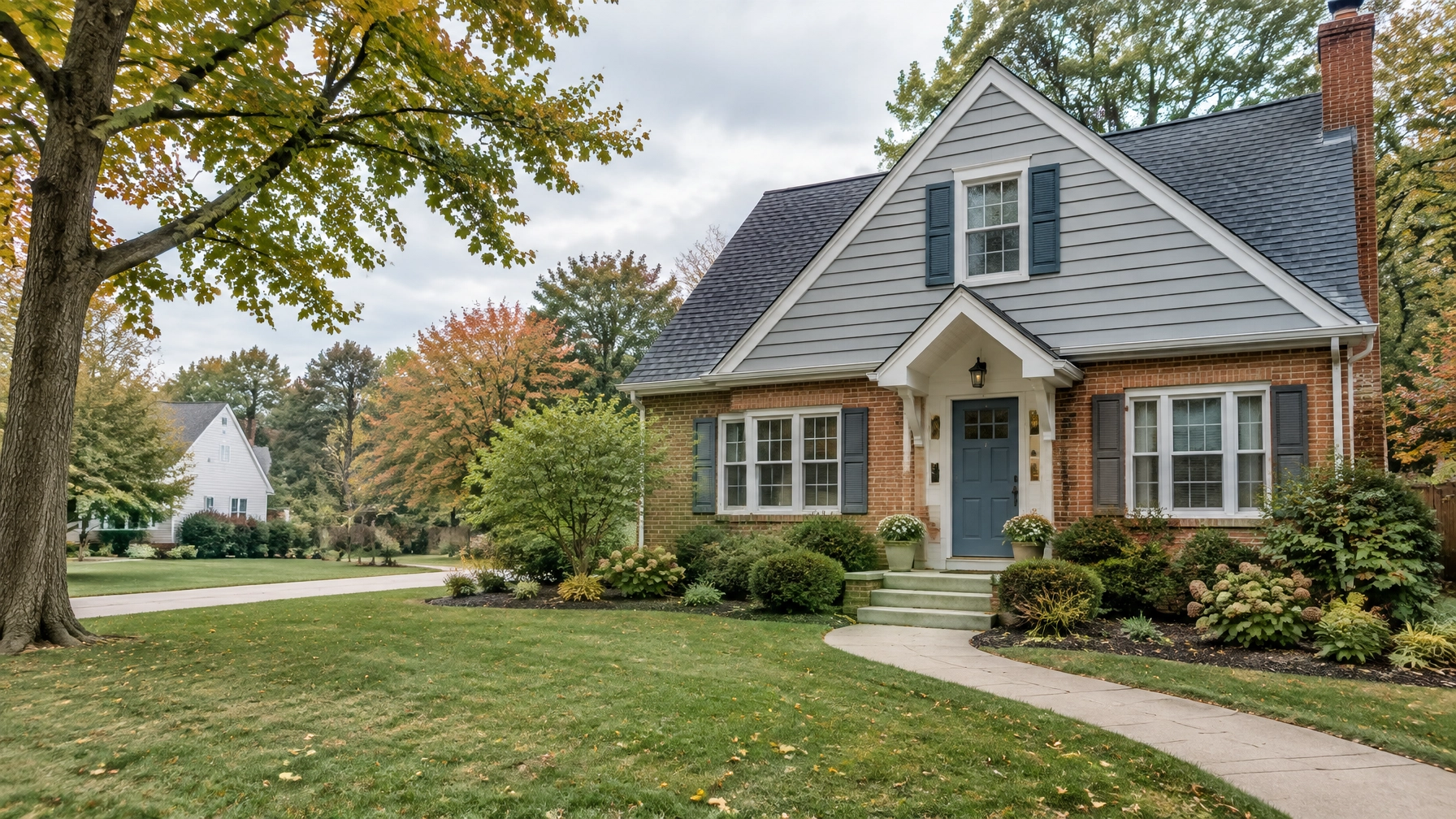
You find a Northeast Ohio home listed for $275,000. The monthly payment looks manageable, the neighborhood fits your plans, and the seller’s listing says “sold as-is.”
You may assume that means the home has serious problems, or that you have no right to inspect it. Neither conclusion is necessarily correct.
What buyers focus on is usually the listing price, down payment, and mortgage payment. But the real cost of an as-is purchase goes far beyond those numbers. You also need to understand the property’s condition, likely repair costs, insurance availability, financing requirements, appraisal risk, title, disclosures, and your rights under the purchase contract.
Here is what “as-is” really means in Ohio, and what it does not mean.
“As-Is” Usually Means the Seller Is Not Promising Repairs
In a real estate listing, “as-is” generally tells you that the seller is offering the property in its current physical condition and does not intend to make repairs or provide credits for issues discovered by the buyer.
That could involve anything from outdated finishes to a failing roof, basement moisture, an older furnace, or electrical concerns. The phrase is a warning to evaluate the property carefully before committing.
However, “as-is” does not automatically mean:
- You cannot perform an inspection.
- The seller can legally hide known material defects.
- You must accept every problem regardless of your contract.
- The home is unfinanceable or uninsurable.
- The seller may misrepresent the property’s condition.
- The title can contain undisclosed liens or ownership problems.
The exact effect depends on the language in the listing, purchase agreement, addenda, and inspection contingency. Your real estate agent and attorney can help you understand the documents before you sign.
Ohio Sellers Still Have Disclosure Responsibilities
Ohio generally requires sellers of most residential properties containing one to four dwelling units to complete and provide a Residential Property Disclosure Form. The requirement is found in Ohio Revised Code Section 5302.30, subject to certain exceptions such as some foreclosure, estate, court-ordered, and newly constructed property transfers.
The state form addresses material matters relating to the property’s physical condition, including:
- Water supply
- Sewer or septic systems
- Roof, foundation, walls, and floors
- Lead-based paint, asbestos, radon, and other hazardous materials
- Known material defects
The related Ohio Administrative Code rule explains the purpose of the disclosure form.
The key phrase is actual knowledge. A seller generally is not required to discover every hidden problem or investigate the entire property like a professional inspector. But “as-is” does not give a seller permission to knowingly lie, conceal a material condition, or provide a misleading answer.
For example, if a seller knows the basement flooded several times, has replaced a failed sump pump, or received a report identifying recurring water intrusion, that information may be important to your decision. A listing phrase cannot erase the seller’s disclosure obligations.
Ohio law also requires licensed real estate professionals to disclose material facts they actually know about the property that a buyer would not discover through a reasonably diligent inspection. You can review Ohio Revised Code Section 4735.67 for the statutory language.
The disclosure form is not a warranty, however. It is not a substitute for your own inspections.
An As-Is Sale Is Not the Same as Waiving an Inspection
This distinction matters more than many buyers realize.
Buying as-is
You agree to accept the property’s condition, often with the understanding that the seller will not make repairs. Depending on the contract, you may still have time to inspect the property and cancel, renegotiate, or proceed.
Waiving the inspection
You give up, or significantly limit, your contractual inspection rights. Depending on the language, that may mean you cannot cancel based on inspection findings or request changes without risking your deposit or other consequences.
These are not the same decision.
A buyer can purchase a home as-is and still retain an inspection contingency. In that situation, the seller may refuse to repair a problem, but you may have a contractual right to decide whether the home remains acceptable.
That right is not automatic. Read the deadline and remedy provisions carefully. A standard-looking phrase in an offer may work differently when combined with an as-is addendum or other contract language.
In a competitive market, you may hear that waiving an inspection makes an offer stronger. It may, but it also transfers more risk to you. Before accepting that risk, discuss your budget, financing, emergency reserves, and the property’s visible condition with your agent.
Inspect Older Northeast Ohio Homes with the Local Risks in Mind
A general inspection is important for any property. It becomes even more important when buying an older home or one with deferred maintenance.
For example, an older home in Lakewood or Cleveland Heights may have a combination of aging plumbing, older electrical components, basement moisture, original windows, or a roof near the end of its useful life. A property in Solon or Twinsburg may be newer overall but still have drainage concerns, aging mechanical systems, grading issues, or a sewer line affected by mature trees.

Consider arranging the inspections that apply to the property, such as:
- General home inspection
- Sewer scope
- Radon test
- Termite or wood-destroying insect inspection
- Roof evaluation
- Chimney inspection
- HVAC inspection
- Electrical or plumbing review
- Well, septic, or private water testing
- Structural evaluation by a qualified professional
Do not treat an inspection report as a simple pass-or-fail grade. Read the details. A comment such as “further evaluation recommended” may require a contractor, structural engineer, roofer, or another specialist.
Also ask for written reports, invoices, permits, warranties, and documentation for previous repairs. If the inspector identifies a basement water issue, do not assume it is cosmetic simply because the basement is dry on the day of the inspection.
Repair Negotiations and Seller Credits Are Still Possible
“As-is” usually signals that the seller does not want to make repairs. It does not prevent you from asking.
Depending on the market, the condition of the home, and the contract, you might negotiate:
- A price reduction
- A closing-cost credit
- A credit for a specific repair
- A repair completed by a licensed contractor
- A repair completed before closing
- A change to the offer based on newly discovered information
The seller can say no. That is the practical meaning of many as-is transactions: you may request a solution, but you should not build your purchase plan around the seller agreeing to one.
Your strongest decision point is before you waive the inspection contingency or allow the deadline to expire. Once you proceed after receiving a report that clearly identifies a defect, you may have fewer options.
Financing and Insurance Can Change the Deal
You may be willing to buy a home with a worn roof or peeling paint. Your lender or insurance company may not be.
Serious health, safety, structural, or system problems can create financing complications. Depending on the loan type and the property’s condition, the appraiser or lender may require repairs, condition the loan, reduce the loan amount, or decline to proceed.
This is especially important for buyers using financing with stricter property-condition requirements. Ask your loan officer what issues could affect your loan before you remove contingencies.
Insurance can create a separate problem. An older roof, outdated wiring, prior water damage, or certain heating systems may affect whether coverage is available and how much it costs. Request insurance quotes early: preferably during your inspection period: and confirm what is and is not covered.
For example, sewer backup coverage may not be included in a basic policy. If an older home has a history of basement water or sewer issues, ask the insurer specific questions rather than assuming the property will be covered.

Appraisal, Title, and Disclosure Review Still Matter
An appraisal is not the same as an inspection. An inspection focuses on condition and potential defects. An appraisal focuses primarily on value and market support, while also considering condition.
If you agree to pay $275,000 for an as-is home and the appraisal comes in at $260,000, you may need to:
- Bring additional cash
- Negotiate a lower price
- Challenge the appraisal with relevant information
- Use a financing or appraisal contingency, if available
- Walk away if the contract permits it
“As-is” refers primarily to physical condition. It does not mean you should accept unresolved title issues. Your title company or attorney should review ownership, liens, unpaid taxes, easements, restrictions, and other recorded matters.
Also review the seller’s disclosure form before making an offer whenever possible. If it arrives after you are already under contract, do not ignore it. Ohio law may provide a limited rescission right in certain circumstances, but timing and eligibility requirements can be strict. Contact your agent or real estate attorney immediately rather than assuming you automatically have the right to cancel.
When Walking Away May Be the Right Decision
An as-is purchase may make sense when the price reflects the condition, you have sufficient cash reserves, the major risks are understood, and the property will meet your financing and insurance requirements.
Walking away may be appropriate when:
- The inspection reveals major structural movement.
- Water intrusion is ongoing or poorly understood.
- The roof, HVAC, electrical, or plumbing systems need immediate replacement.
- Insurance is unavailable or unaffordable.
- The lender will not approve the property or required repairs.
- The appraisal does not support the price and you cannot cover the gap.
- The seller refuses to address a known material misrepresentation.
- The combined purchase price and repairs exceed your budget.
- You feel pressured to waive protections you do not understand.
The goal is not to avoid every imperfect house. Older homes often need work. The goal is to know the difference between manageable maintenance and a problem that could overwhelm your finances.
Your Ohio As-Is Buyer Checklist

Before making an offer:
- Obtain and review the Residential Property Disclosure Form.
- Ask what the seller knows about the roof, foundation, water intrusion, sewer, HVAC, plumbing, electrical system, and prior insurance claims.
- Request repair records, permits, warranties, and invoices.
- Estimate the cost of visible and likely deferred maintenance.
- Ask your lender how the property’s condition could affect financing.
- Request an insurance quote before your inspection deadline.
- Include inspection and financing protections that match your risk tolerance.
- Schedule a general inspection and specialized inspections where appropriate.
- Track every contingency deadline in writing.
- Have your agent, attorney, lender, inspector, or qualified contractor review concerns before you proceed.
- Compare the total cost: not just the offer price: with similar move-in-ready homes.
- Decide in advance what findings would cause you to renegotiate or walk away.
An as-is home is not automatically a bad investment. But it is a property where you need to replace assumptions with evidence.
Before you sign, understand the contract, inspect what you can, verify financing and insurance, and price the risks honestly. Your Northeast Ohio real estate agent can help you evaluate the property and negotiate from a position of knowledge: but contract rights vary, and this article is not legal advice. Consult your agent, inspector, lender, attorney, or qualified contractor as appropriate.
If you are evaluating an as-is home, Milestone Property Group can help you navigate the buying process, connect you with trusted professionals, and assess the real cost before you commit.
Sources
- Ohio Revised Code Section 5302.30: Property disclosure form
- Ohio Administrative Code Rule 1301:5-6-10: Residential property disclosure form
- Ohio Revised Code Section 4735.67: Disclosures to purchaser
- Mobley v. James, 2020-Ohio-380

Carly Sablotny
REALTOR | Milestone Property Group | Keller Williams Living | PLACE
or another way