
Categories
BUYINGPublished November 30, 2025
The Real Cost of Owning a Home: What Buyers Forget to Budget For

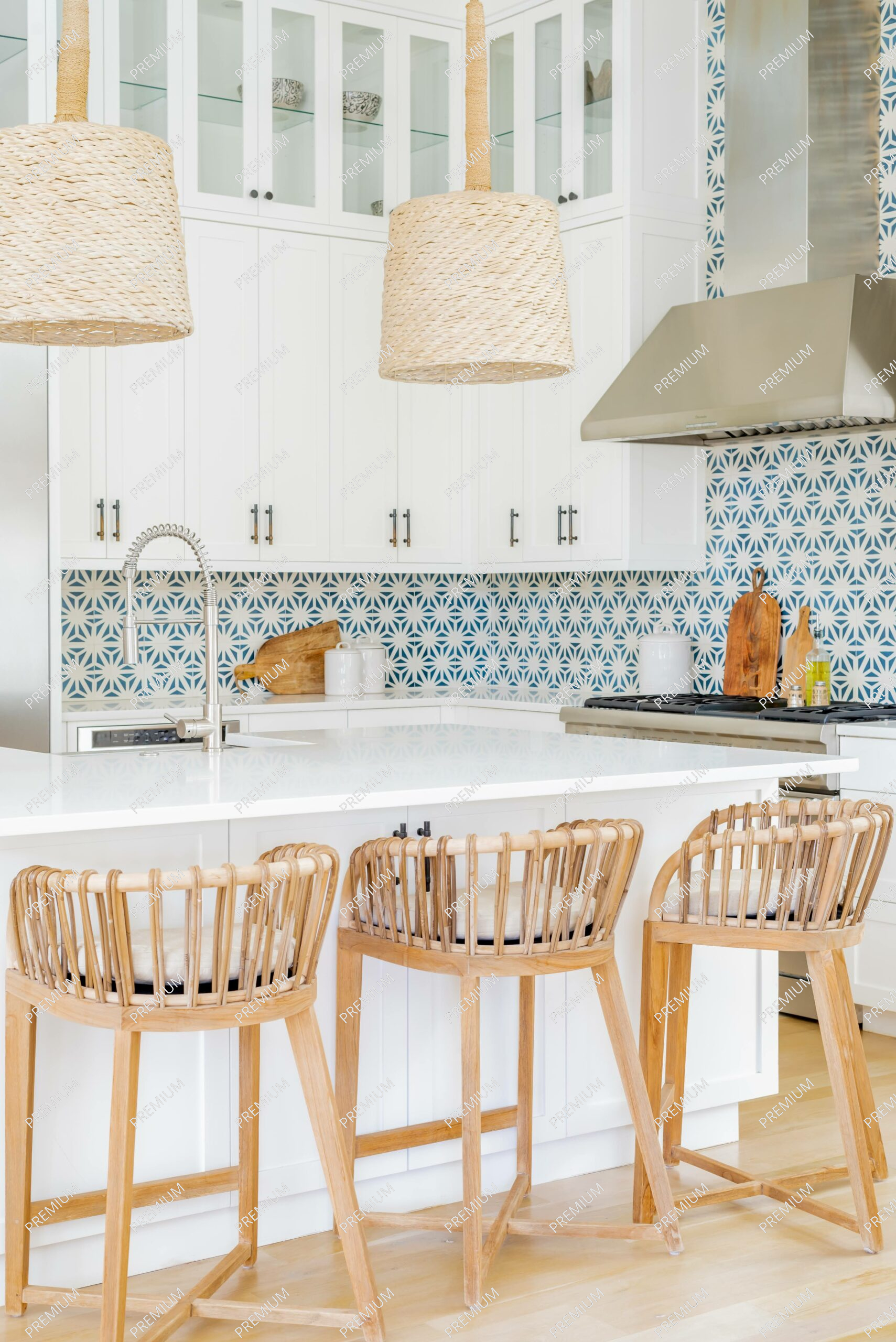
Most buyers focus on the big, obvious numbers — the down payment, the mortgage payment, and maybe a rough estimate of taxes. But the real cost of homeownership goes far beyond that, and it’s the part that most buyers don’t ask about… they Google it quietly at 1 a.m.
Whether you’re buying your first home or upgrading to your next one, here’s what you actually need to plan for.
1. Utilities and Monthly Services
Utilities can vary widely depending on the home’s age, insulation, square footage, and the type of heating system. Beyond electric and gas, remember to budget for:
• Water and sewer
• Trash and recycling
• Internet and cable
• Lawn or snow services (if you don’t plan to DIY)
A home that's more than 2,000 sq ft can easily run $300–$500+ in utilities monthly, depending on local rates.
2. Maintenance and Repairs
A good rule of thumb is to set aside 1% of the purchase price per year for maintenance.
Examples include:
• HVAC servicing
• Roof or gutter repairs
• Appliance replacements
• Plumbing fixes
• Exterior painting or caulking
Even “move-in ready” homes require ongoing care.
3. Property Taxes and HOA Fees
Taxes can—and often do—increase over time. New levies, reassessments, or community upgrades can bump your bill unexpectedly.
If you’re buying in an HOA, remember: dues don’t just cover amenities. They may include:
• Landscaping
• Snow removal
• Reserve funds
• Exterior maintenance
• Common-area repairs
Make sure you understand what’s covered and what’s not.
4. Home Insurance and Optional Coverages
Your homeowner’s insurance policy protects your investment, but there may be add-ons or separate coverages you should consider based on the home, such as:
• Flood insurance
• Sewer line coverage
• Extended dwelling coverage
• Personal property upgrades
Don’t assume your basic policy covers everything — many surprises aren’t covered without extras.
5. “New Home Fever” Expenses
Even if you swear you won’t, most new homeowners end up purchasing things like:
• Furniture
• Window treatments
• Area rugs
• Decor
• Lawn equipment
• Upgraded smart-home features
These extras add up quickly — especially in the first year.
6. Long-Term Projects and Improvements
Over time, you may want to upgrade flooring, remodel a bathroom, replace old windows, build a deck, or modernize a kitchen. Planning ahead helps these projects feel exciting instead of overwhelming.
Here’s the Bottom Line
Owning a home is absolutely worth it — you build equity, stability, and long-term wealth. But knowing the true cost of ownership helps you make confident decisions and avoid surprises.
When you understand every part of the financial picture, you’re better prepared, better protected, and positioned for long-term success as a homeowner.
Want a personalized breakdown of what owning a home will actually cost you?
I’ll run the numbers for your specific price range, neighborhood, taxes, and loan type — and I’ll include a custom Homeownership Cost Breakdown you can download and save.
Send me a message and I’ll put it together for you today.

Carly Sablotny
REALTOR | Milestone Property Group | Keller Williams Living | PLACE
or another way