
Categories
BUYING, INVESTING, SELLINGPublished January 15, 2026
Septic vs Sewer in Northeast Ohio: What Buyers Need to Know (Cost, Maintenance, Financing)


Septic vs Sewer in Northeast Ohio: What Buyers Need to Know (Cost, Maintenance, Financing)

Most buyers focus on the pretty kitchen and the perfect backyard, but what's underneath your dream home can make or break your budget for years to come. The difference between septic and sewer isn't just about monthly bills: it affects everything from your mortgage approval to your future selling power in Northeast Ohio.
Here's what real estate agents won't always tell you upfront: the type of waste system can add thousands to your upfront costs, change your financing options, and create ongoing responsibilities that many buyers never see coming.
How to Tell What You're Dealing With
Look for these telltale signs during your home tour:
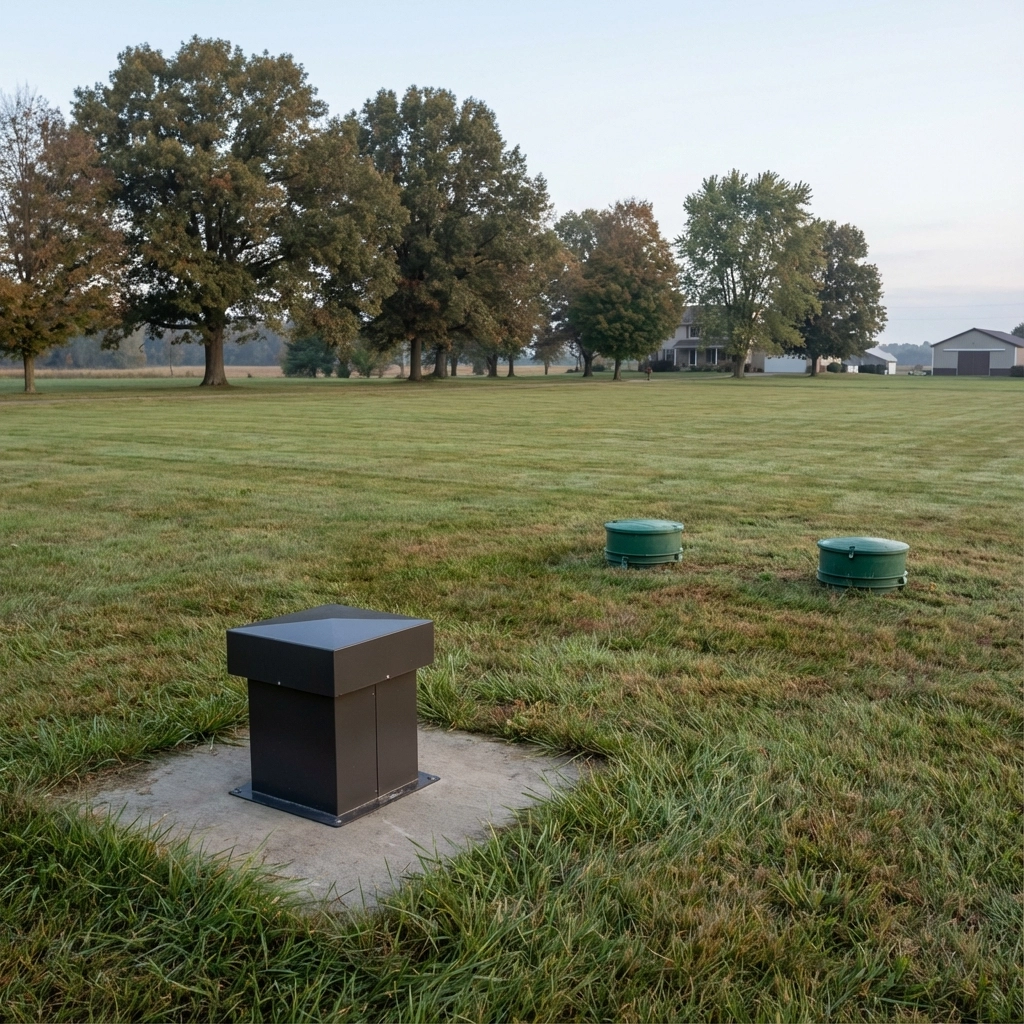
Septic systems typically show a large, raised area in the backyard (the drain field), inspection ports or risers sticking out of the ground, and a lack of monthly sewer charges on utility bills. You might also notice well water instead of city water: these often go hand-in-hand in rural Northeast Ohio areas.
Sewer-connected homes usually sit in more developed neighborhoods with sidewalks, fire hydrants, and other municipal infrastructure. The dead giveaway? Monthly sewer charges on recent utility statements from the seller.
But here's the catch: some newer septic systems are nearly invisible from the surface, and some older neighborhoods have a mix of both systems. Never assume: always verify with the listing agent and recent utility bills.

The Real Cost Breakdown (What Buyers Forget)
Septic System Investment:
- Installation: $8,000-$25,000 in Northeast Ohio (soil conditions matter big time)
- Pumping every 3-5 years: $300-$600 per service
- Inspections: $300-$500 when buying
- Major repairs: $3,000-$10,000+ for drain field replacement
Sewer Connection Reality:
- Connection fees: $2,000-$8,000 if not already connected
- Monthly bills: $40-$120 in most Northeast Ohio municipalities
- Annual increases: 3-5% typical rate hikes
- Backup protection: $150-$300 annually for insurance
Do the math over 10 years, and septic often wins: if nothing major goes wrong. But that's where the risk lives.
Maintenance Red Flags That Kill Deals
Septic warning signs that should pause your purchase:
- Soggy areas over the drain field, even in dry weather
- Strong odors near the house or yard
- Slow drains throughout the house (not just one fixture)
- Pumping records missing or overdue by years
- Lush, extra-green grass over one specific area
Sewer system concerns:
- Recent backups or flooding in the basement
- Tree roots near the main line (especially older neighborhoods)
- Shared or combined storm/sewer systems (common in older Cleveland areas)
Smart buyers request maintenance records for septic systems and ask specifically about any basement flooding history for sewer-connected homes.
Inspections and Testing (Don't Skip This)
For septic systems, demand these evaluations:
- Complete septic inspection by a licensed professional ($300-$500)
- Pumping and visual tank inspection
- Drain field load testing if the system is older than 15 years
- Review all maintenance and pumping records
For sewer connections, consider:
- Camera inspection of the main line if the house is pre-1980
- Scope inspection for tree root intrusion
- Check municipal records for any liens or required updates
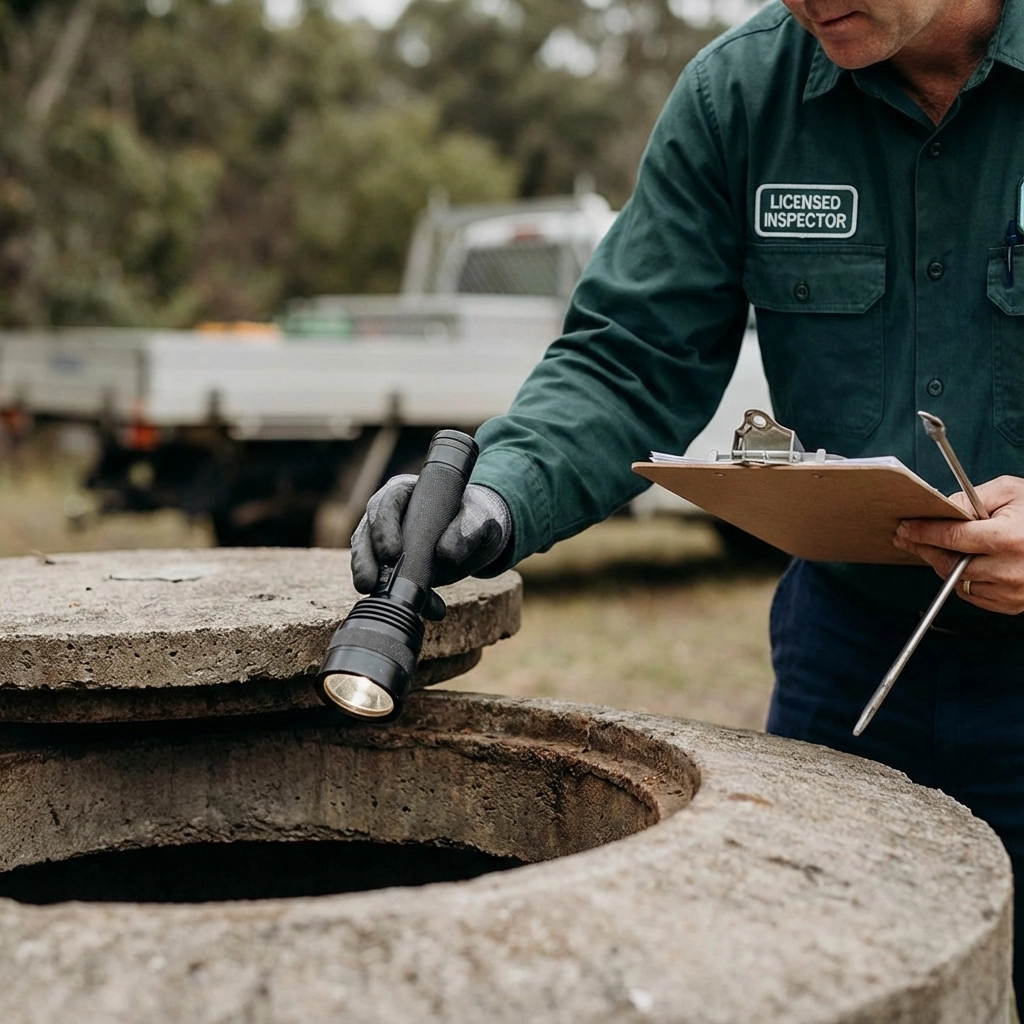
Many Northeast Ohio buyers skip the septic inspection to save money upfront, then discover $8,000 in drain field repairs six months later. The inspection cost is nothing compared to replacement costs.
Financing Impact (The Part That Surprises People)
FHA and VA loans treat septic systems differently:
FHA loans require septic systems to be functioning and properly maintained before closing. If the inspection reveals problems, repairs must be completed or money escrowed before loan approval. VA loans have similar requirements but may be more flexible on minor issues.
Conventional loans offer more flexibility but still require the system to be functional. However, lenders may adjust loan terms or require higher down payments in rural areas with septic systems.
The financing advantage of sewer systems: They're considered more reliable by lenders, which can mean easier approvals and potentially better interest rates, especially for first-time buyers.
Well + Septic Combinations (Double the Considerations)
Rural Northeast Ohio properties often feature both private wells and septic systems. This combination requires additional considerations:
- Well water testing during the buying process
- Proper separation distance between well and septic (minimum 100 feet in Ohio)
- Annual water testing recommendations
- Backup power considerations for well pumps
- Higher homeowner's insurance premiums in some cases
The upside: Complete independence from municipal utilities and no monthly water/sewer bills. The downside: You're responsible for everything, including water quality and waste management.
Resale Reality Check
Septic systems can limit your buyer pool when you sell. Some buyers automatically avoid septic properties due to maintenance concerns or financing restrictions. However, rural and suburban buyers often prefer the independence and lower monthly costs.
Sewer connections typically appeal to a broader range of buyers, especially first-timers who want minimal maintenance responsibilities. Properties in sewer districts also tend to appreciate faster in Northeast Ohio's growing suburban markets.
The sweet spot: Well-maintained septic systems in desirable rural areas often hold their value well, while sewer-connected properties in developing areas see stronger appreciation.
Negotiating Strategies That Work
For septic properties:
- Request recent pumping and inspection records
- Ask for a home warranty that covers septic pumping
- Negotiate repairs based on the inspection findings
- Consider asking sellers to escrow funds for future maintenance
For sewer-connected homes:
- Verify connection fees are fully paid
- Check for any outstanding municipal liens
- Ask about recent rate increases and planned assessments
- Consider basement flooding history and required insurance
Pro tip: In Northeast Ohio's competitive market, don't let septic vs. sewer be the only deciding factor. A well-maintained septic system on your dream property often beats a perfect sewer connection on a house you'll outgrow in five years.
The bottom line? Both systems work well when properly maintained, but they require different approaches to budgeting, maintenance, and long-term planning. Understanding these differences upfront helps you make smarter offers and avoid expensive surprises after closing.
Disclaimer: This information is for educational purposes only and should not replace professional inspections, legal advice, or consultation with licensed contractors. Always work with qualified professionals to evaluate specific properties and systems.
Ready to find your perfect Northeast Ohio home, septic or sewer? Our team knows the ins and outs of local systems and can guide you through the inspection and negotiation process. Contact us today to start your search with confidence, or get your current home's value if you're thinking of making a move.

Carly Sablotny
REALTOR | Milestone Property Group | Keller Williams Living | PLACE
or another way