
Categories
SELLING, INVESTING, BUYINGPublished December 30, 2025
Repair Escrow After a Home Inspection in Northeast Ohio: How It Works (and When It Makes Sense)

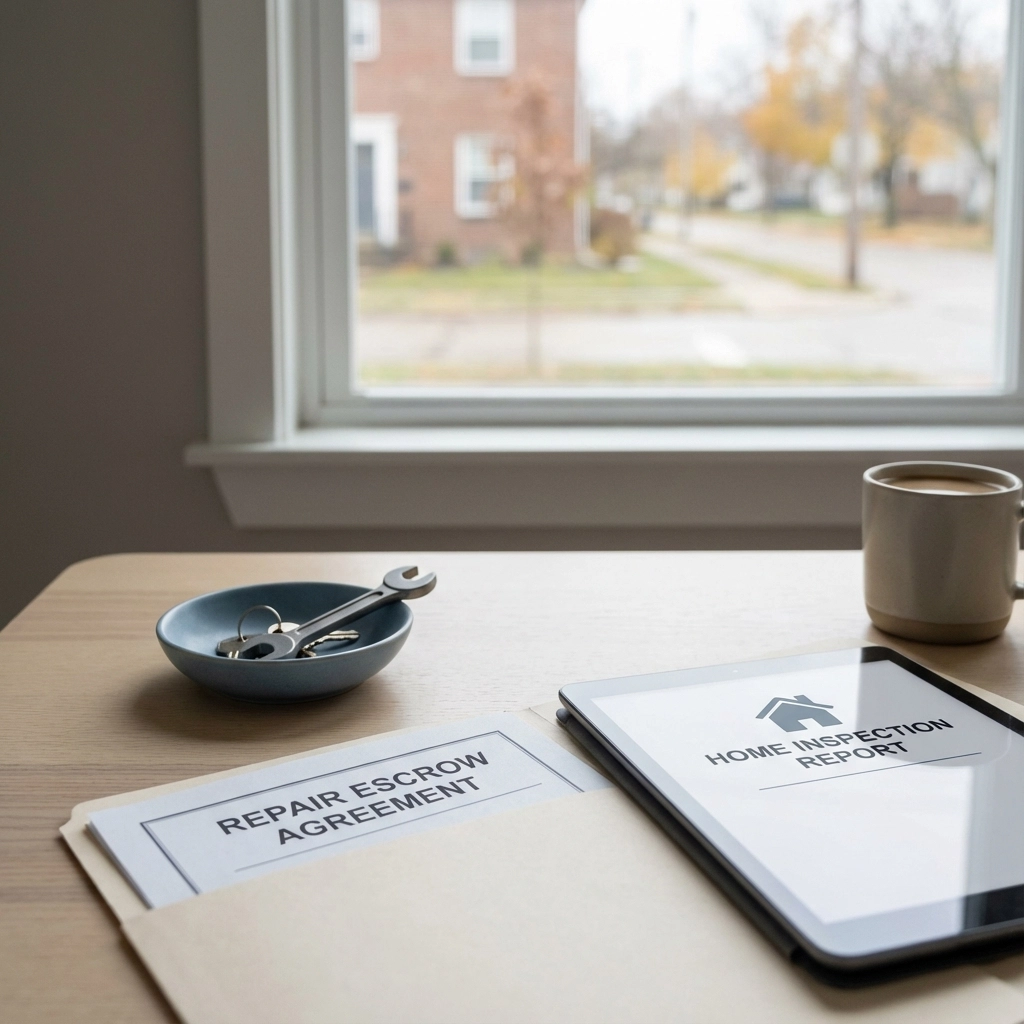
Repair Escrow After a Home Inspection in Northeast Ohio: How It Works (and When It Makes Sense)
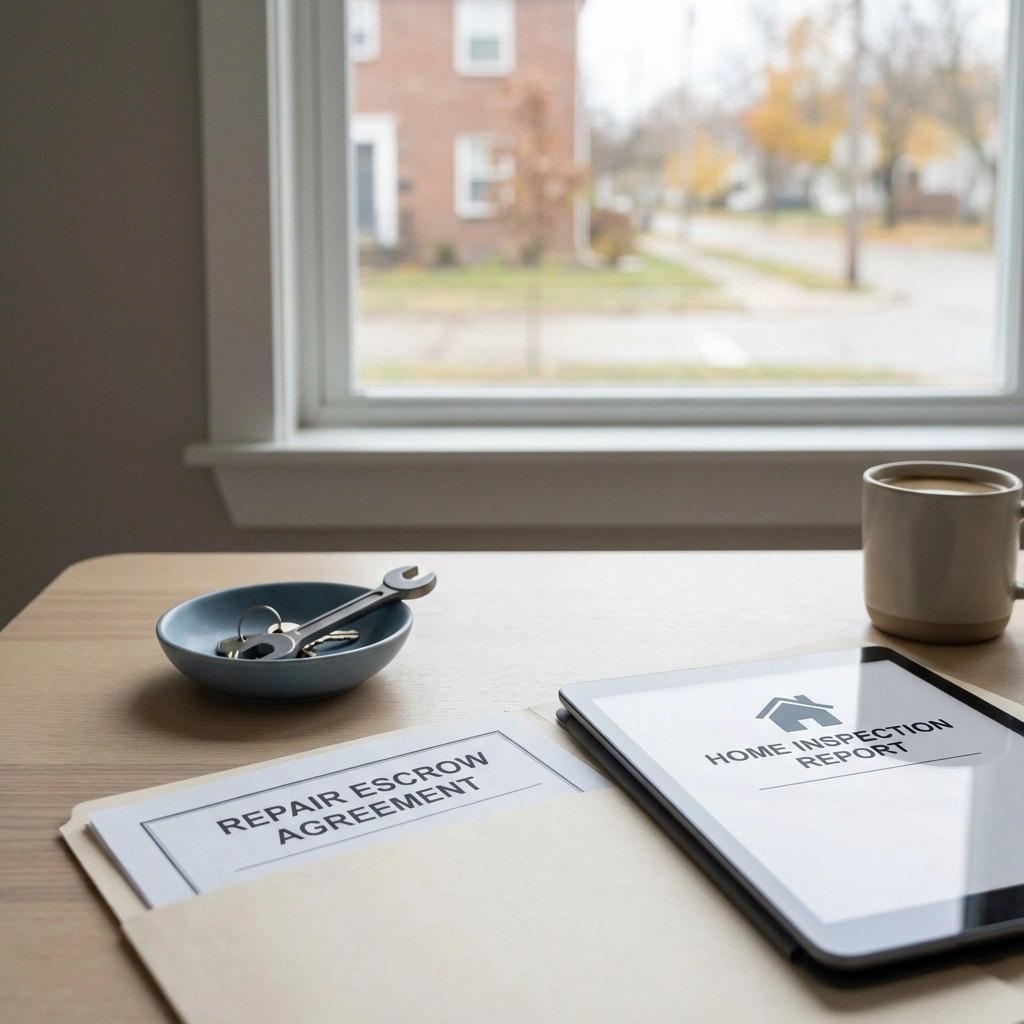
You found the perfect house, negotiated the price, and got through the home inspection. Now the inspector found issues that need fixing: and suddenly everyone's talking about "repair escrow" as a solution. But what most buyers and sellers don't realize is that there are actually two completely different types of repair escrow in Northeast Ohio, and mixing them up can cost you thousands.
The repair escrow process isn't just about putting money aside for fixes. It's about understanding when your lender will allow it, how much you'll need to deposit, who controls the funds, and what happens if repairs aren't completed properly. Get it wrong, and you could be stuck with surprise costs or delayed closing dates.
What Repair Escrow Actually Means (And Why There Are Two Types)
Repair escrow is money set aside at closing to guarantee that specific repairs will be completed after you take ownership of the property. But here's what catches people off guard: you're dealing with either lender repair escrow (when your mortgage company requires fixes) or Point of Sale (POS) inspection escrow (when the city requires repairs before transfer of ownership).
These work completely differently, have different rules, and can even happen simultaneously on the same transaction.
Lender Repair Escrow: When Your Mortgage Company Demands Fixes
Your lender orders an appraisal, and the appraiser flags safety issues or property condition problems that affect the home's value. Instead of requiring repairs before closing, your lender agrees to an escrow holdback: funds withheld from your loan proceeds until you complete the repairs.
Most lenders limit repair escrows to 10% of the loan amount or $5,000, whichever is less. Some allow higher amounts for minor cosmetic issues, but anything structural usually means no escrow option.
POS Inspection Escrow: When the City Requires Compliance
Many Northeast Ohio municipalities require Point of Sale inspections before ownership transfers. If violations are found, sellers can either fix them immediately or deposit money with the city to guarantee future repairs.
POS escrow amounts are typically 125% to 150% of estimated repair costs. In Cleveland Heights, that's a $1,000 minimum plus 125% of repair estimates. Shaker Heights requires 150% of estimated costs. Unlike lender escrows, there's usually no upper limit: if violations total $8,000 to fix, you could be looking at $10,000 to $12,000 in escrow.

How Lender Repair Escrow Works: The Step-by-Step Process
When your lender agrees to a repair escrow, here's what actually happens:
Before Closing: You get contractor bids for required repairs and submit them to your lender. The lender reviews estimates and determines the escrow amount: usually 150% of the highest reasonable bid.
At Closing: Your lender withholds the escrow amount from your loan proceeds. You receive less cash at closing, but you're not paying out of pocket.
After Closing: You have 30 to 90 days (depending on your lender) to complete repairs and submit invoices and photos for reimbursement. Some lenders require re-inspection before releasing funds.
Fund Release: Once your lender approves the completed work, they release escrowed funds directly to you or the contractor.
The key advantage: you're not fronting repair costs immediately. The risk: if repairs cost more than estimated, you pay the difference. If repairs cost less, most lenders refund the difference to your loan balance, not cash back to you.
What Repairs Qualify for Lender Escrow
Not every repair issue qualifies for lender escrow. Most lenders allow escrow for:
- Minor electrical fixes (outlet replacements, GFCI installations)
- Cosmetic issues affecting value (peeling paint, damaged flooring)
- Small plumbing repairs (leaky faucets, toilet replacements)
- Non-structural roof repairs (missing shingles, minor flashing issues)
Lenders typically won't allow escrow for:
- Foundation or structural problems
- Major electrical panel replacements
- Roof replacements or major repairs
- Septic system failures
- Well water contamination issues
If your inspection reveals these major issues, expect your lender to require completion before closing or deny the loan entirely.
POS Inspection Escrow: When the City Controls the Process
Point of Sale escrow works differently because you're dealing with municipal requirements, not your lender's policies.
Timeline: Most cities give sellers 90 days from inspection to correct violations. If closing happens before repairs are complete, escrow becomes mandatory.
Escrow Amounts: Cities calculate escrow as a percentage of estimated repair costs, typically 125% to 150%. Some municipalities require multiple contractor estimates; others accept a single reasonable bid.
Who Holds the Money: Funds are deposited with the title company or directly with the municipality. The buyer receives these funds after completing repairs and passing re-inspection.
Repair Deadline: Most cities give buyers 6 to 12 months to complete POS-required repairs using escrowed funds. Miss the deadline, and you may forfeit the money or face penalties.
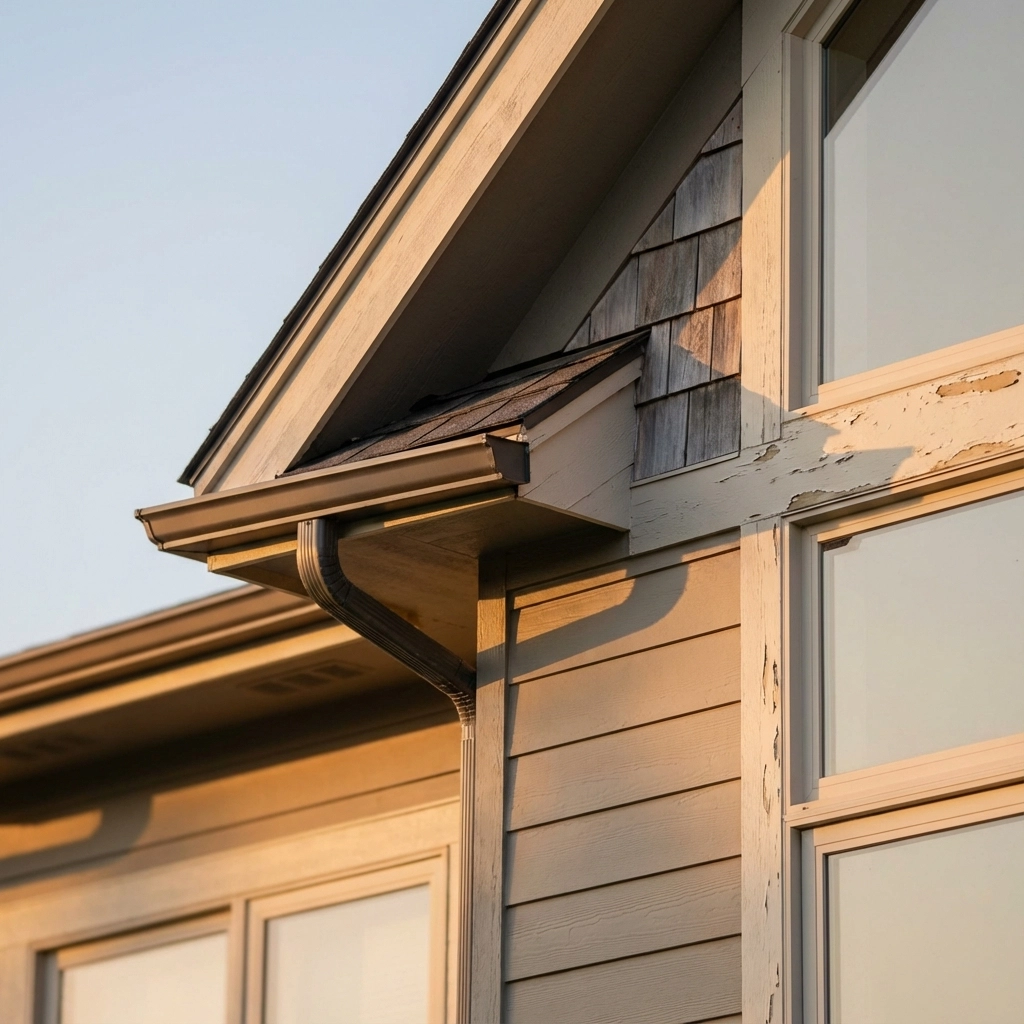
When Repair Escrow Makes Sense (And When It Doesn't)
For Buyers: Repair escrow can work in your favor when:
- Repairs are minor and you want to choose your own contractors
- You have time to manage repairs after closing
- The escrow amount adequately covers expected costs
- You're getting a good deal on the house price
For Sellers: Offering repair escrow instead of completing fixes yourself makes sense when:
- Multiple repair issues would delay closing significantly
- You don't have liquid cash for immediate repairs
- Buyers are willing to accept escrow in lieu of price reductions
Red flags to avoid: Don't agree to repair escrow if violations include safety hazards (exposed electrical, gas leaks, structural damage) that make the property unsafe to occupy.
Negotiation Strategies That Actually Work
For Buyers: Request detailed repair estimates before agreeing to any escrow amount. If sellers propose escrow based on rough estimates, insist on formal contractor bids. You can also negotiate that excess escrow funds (if repairs cost less than estimated) be credited back to you rather than the seller.
For Sellers: Get your own repair estimates to counter inflated buyer demands. If facing POS violations, consider getting estimates from contractors you trust rather than accepting the first quote buyers provide.
Joint strategy: Sometimes buyers and sellers split repair costs, with each contributing to the escrow. This works especially well when inspection reveals issues that both parties want addressed but neither wants to fully fund.
The Hidden Costs and Risks You Need to Know
Repair escrow isn't free money. Here are the costs that catch people off guard:
- Re-inspection fees: Many municipalities charge $75 to $150 for follow-up inspections to verify completed repairs
- Permit costs: Some repairs require city permits, adding $50 to $500 to your total costs
- Contractor markup: Contractors often charge more for "escrow jobs" because they know funds are guaranteed
- Time pressure: Rushed repairs to meet deadlines often cost 10% to 20% more than normal scheduling
Biggest risk: If repairs cost significantly more than estimated, you're responsible for the difference. That $2,000 electrical repair could easily become $3,500 once the contractor opens walls and finds additional problems.

Quick Reference: Repair Escrow Checklist
Before Accepting Escrow:
- Get multiple contractor estimates for repair accuracy
- Confirm whether your lender allows repair escrow for these specific issues
- Understand who controls the escrowed funds and release process
- Verify repair deadline and penalty for non-completion
- Calculate total costs including permits, re-inspections, and potential overruns
At Closing:
- Review escrow agreement language carefully
- Confirm escrow amount and fund release procedures
- Get copies of all inspection reports and violation notices
- Understand what documentation you'll need for fund release
After Closing:
- Schedule repairs immediately to allow buffer time before deadlines
- Keep all receipts, invoices, and permit documentation
- Schedule final inspection well before deadline
- Follow up on escrow fund release promptly after approval
Making the Right Decision for Your Situation
Repair escrow can be a useful tool, but it's not always the best solution. The key is understanding exactly what you're agreeing to, who controls the process, and what your backup plan is if repairs cost more than expected.
Whether you're dealing with lender requirements or municipal POS violations, having an experienced team helps you navigate these decisions without costly surprises.
Need help evaluating repair escrow options for your Northeast Ohio transaction? Contact Milestone Property Group for expert guidance on inspection negotiations and repair escrow decisions. As both your real estate agent and loan officer, Carly Sablotny can coordinate both sides of the process to protect your interests. Connect with us today to discuss your specific situation and explore all your options.
For more information about Northeast Ohio real estate processes and financing options, visit our comprehensive resource center at neohomepros.com.

Carly Sablotny
REALTOR | Milestone Property Group | Keller Williams Living | PLACE
or another way