
Categories
BUYING, INVESTINGPublished October 9, 2026
Red Flags to Watch for at an Open House: A Northeast Ohio Buyer’s Guide

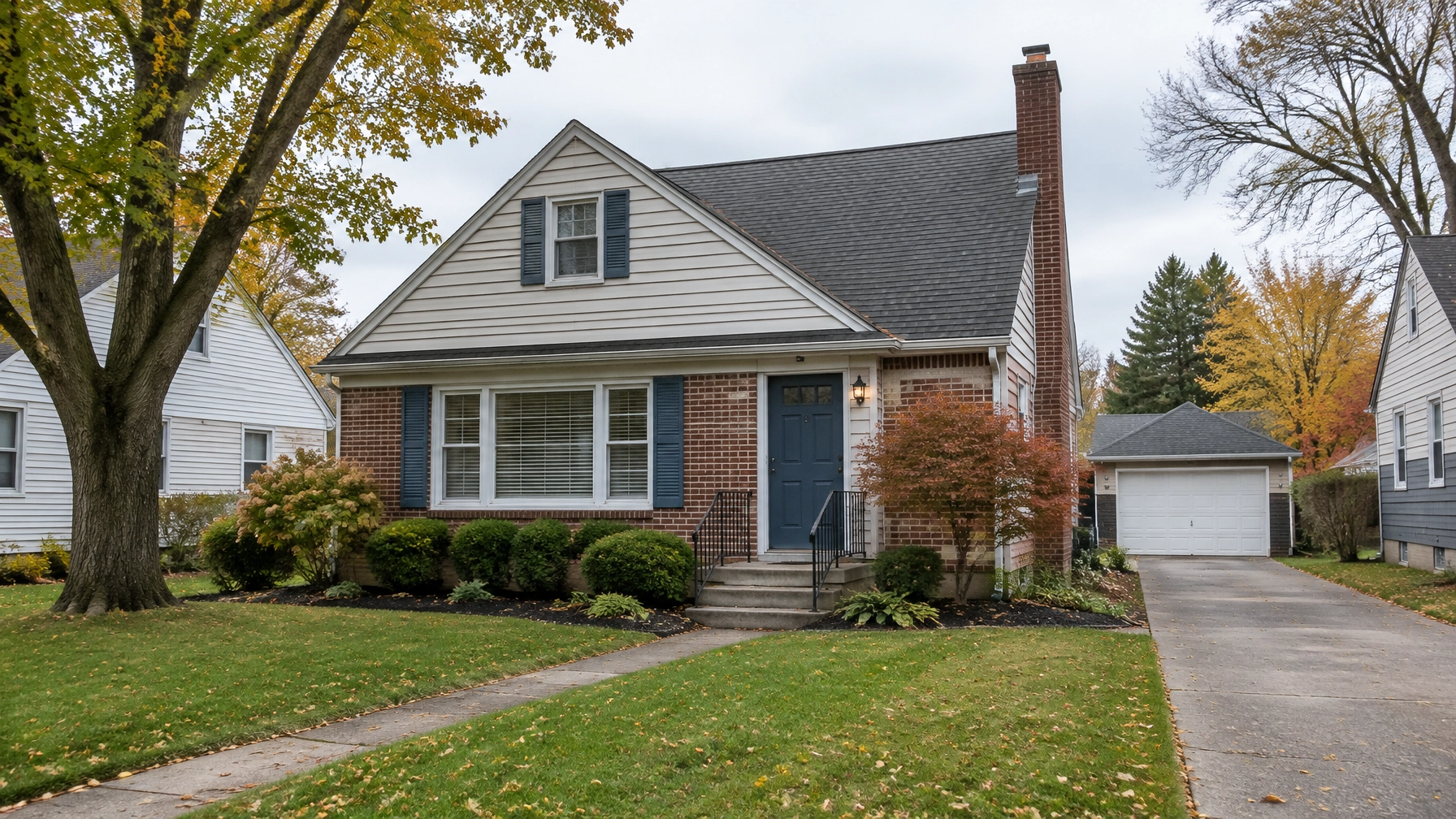
Red Flags to Watch for at an Open House: A Northeast Ohio Buyer’s Guide

Most buyers focus on the kitchen, the number of bedrooms, and whether the monthly mortgage payment fits their budget. But the real cost of a home goes far beyond the down payment, taxes, and principal-and-interest estimate…
At an open house, you may be looking at fresh paint and updated flooring while missing signs of water intrusion, aging systems, poor drainage, or deferred maintenance. These issues do not automatically mean you should walk away. They do mean you should slow down, ask better questions, and understand what deserves a professional evaluation before you make an offer.
This checklist is especially useful for older homes in Cleveland-area communities, where properties may have been built decades ago and updated in stages over time.
Start With the Signs You Can See and Smell
An open house is not a substitute for a home inspection. You are not expected to diagnose a foundation, roof, or electrical problem on the spot.
Your job is to notice conditions that deserve a closer look.
Pay attention to:
- Musty, damp, or earthy odors
- Rooms that feel unusually humid or cold
- Fresh paint in only one basement area
- New carpet over older flooring
- Water stains or bubbling paint
- Doors or windows that stick
- Floors that slope or feel soft
- Unusual cracks, sagging, or visible patchwork
- Mechanical equipment that appears rusty, damaged, or neglected
A single issue may be minor. Several issues appearing together: such as a musty basement, efflorescence, and poor grading outside: suggest a pattern that should not be ignored.
Water Intrusion and Basement Moisture
Water is one of the most important red flags for Northeast Ohio buyers. Older homes may have masonry foundations, aging waterproofing systems, and drainage conditions that require regular maintenance.
In the basement or crawl space, look for:
- White, chalky deposits on foundation walls, known as efflorescence
- Brown or yellow water stains
- Peeling paint or bubbling wall coatings
- Mold-like spotting
- Damp insulation
- Warped wood or buckled flooring
- A sump pump that appears to run constantly
- Standing water in or around the sump pit
- Dehumidifiers operating in multiple areas
- Fresh paneling or paint that may cover older damage
Do not assume that a dry basement during an open house is proof that the basement never gets wet. Ask whether the home has experienced water intrusion, how often the sump pump runs, and whether the seller has made repairs.
If you see active moisture, extensive staining, or a strong musty odor, consider a professional inspection and, when appropriate, a waterproofing or mold specialist’s evaluation.

Foundation and Structural Warning Signs
Older Cleveland-area homes can show normal age-related cracking, but some patterns deserve immediate attention.
Look for:
- Horizontal cracks in basement walls
- Stair-step cracks in brick or block masonry
- Bowing or bulging foundation walls
- Large diagonal cracks around windows and doors
- Multiple cracks concentrated on one side of the home
- Sagging ceilings or visibly uneven rooflines
- Floors that slope noticeably
- Doors that no longer close properly
- Windows that stick in several rooms
You can gently open and close doors and windows, but do not press on walls, remove finishes, or perform tests that could damage the property. A small crack does not automatically indicate a structural failure, and a professional will need to evaluate the size, location, pattern, and likely cause.
A structural engineer may be appropriate when you see horizontal foundation cracks, significant bowing, substantial settlement, or several related symptoms. A general home inspector can help identify concerns and recommend the right specialist.
Roof and Chimney Issues
You may not be able to inspect the roof closely during an open house, but you can still gather useful information from the ground and inside the home.
From outside, look for:
- Missing, curling, cracked, or wavy shingles
- Sagging rooflines
- Damaged or deteriorating flashing
- Chimney mortar that appears loose or missing
- Leaning chimneys
- Gutters filled with shingle granules
- Downspouts that discharge directly beside the foundation
Inside, check ceilings and upper walls for stains, peeling paint, bubbling drywall, or repairs beneath roof valleys and around chimneys.
Ask for the roof’s approximate installation date, records of repairs, and information about any previous leaks. If the roof appears near the end of its service life or the chimney shows visible deterioration, a licensed roofer or chimney professional should evaluate it before you rely on the condition in your offer.
Electrical Red Flags in Older Homes
Electrical updates are common in older Northeast Ohio properties, but not every update is complete or professionally performed.
Notice whether the home has:
- A fuse box instead of a modern circuit-breaker panel
- Two-prong outlets throughout the home
- Missing GFCI protection near sinks, bathrooms, the basement, garage, or exterior
- Warm, discolored, loose, or damaged outlet covers
- Exposed wiring or open junction boxes
- Multiple extension cords used as permanent wiring
- Obvious DIY work or mismatched electrical components
- Knob-and-tube wiring visible in unfinished areas
- Aluminum branch wiring, depending on the home’s age and construction
Do not remove electrical panel covers or disturb wiring during an open house. Ask whether the electrical system has been updated, whether permits were obtained, and whether any insurer has required repairs.
Outdated wiring may affect both safety and insurance availability. Ask your insurance agent early: before the inspection deadline: whether the property’s electrical system can be covered and whether updates would be required.
Plumbing, Sewer, and Water Heater Concerns
Run faucets briefly if the listing agent allows it, and observe how quickly water drains. Look under sinks for active leaks, staining, corrosion, or recently replaced sections of pipe.
Ask about:
- Low water pressure
- Slow drains in multiple fixtures
- Recurring sewer backups
- The age of the water heater
- Galvanized or otherwise aging supply lines
- Previous plumbing leaks
- Sewer line repairs or replacement
- Whether the basement has ever flooded because of a failed drain or backup
A slow drain in one sink may be a simple maintenance issue. Slow drainage throughout the home may warrant a plumber’s evaluation. For older homes, a sewer scope can reveal problems that a standard home inspection cannot see.
HVAC Age and Condition
Northeast Ohio winters make heating performance especially important. Look at the furnace, air conditioner, and water heater if they are accessible, but do not assume appearance tells the whole story.
Look for:
- Rust or corrosion
- Excessive dust around the furnace
- Dirty or missing filters
- Unusual odors
- Water around the furnace or air conditioner
- Uneven temperatures between rooms
- An air conditioner that appears unable to cool the home
- Equipment that is difficult to access or poorly maintained
Ask for the age, service history, and fuel type of each major system. If a furnace or air conditioner is older, a licensed HVAC professional can evaluate its condition and estimate remaining useful life.

Drainage and Exterior Maintenance
Water problems often begin outside. Walk the property perimeter if access is available.
Check whether:
- The ground slopes toward the house
- Downspouts discharge next to the foundation
- Gutters are sagging or overflowing
- Soil is soft or waterlogged near the foundation
- There are puddles or erosion channels
- Foundation walls show staining or repeated wetting
- Trees or large roots are very close to the foundation or sewer line
- Exterior siding, trim, or porch structures are deteriorating
Poor drainage can contribute to basement moisture and foundation pressure. A home inspector can evaluate visible conditions, but extensive drainage problems may also require a waterproofing contractor, drainage specialist, or landscaper familiar with grading.
Questionable Renovations and Deferred Maintenance
A remodeled room can be appealing: but a renovation that looks unfinished, inconsistent, or overly cosmetic deserves questions.
Watch for:
- New finishes next to visibly old electrical or plumbing components
- Flooring that stops abruptly at a doorway
- Freshly remodeled bathrooms with no visible ventilation
- Unusual walls, lowered ceilings, or enclosed spaces
- Unpermitted additions or converted porches
- Missing handrails or incomplete stairways
- Peeling exterior paint, damaged soffits, or rotting trim
- Loose railings, cracked steps, or deteriorated decks
- Multiple small maintenance issues throughout the home
Ask what work was completed, when it was done, who performed it, and whether permits or receipts are available. Your agent can help you request documentation during the transaction.
Signs That Could Affect Insurance or Financing
Certain property conditions may create extra questions for insurers, lenders, or both. These include:
- Active water intrusion
- Significant roof damage or an older roof
- Unsafe or obsolete electrical wiring
- Major structural movement
- Missing stair rails or other safety hazards
- Unresolved fire or water damage
- Unpermitted additions
- Severe deferred maintenance
- Private utilities or septic systems with unknown condition
- A property that cannot be insured under a standard policy
This does not mean a home with one of these conditions cannot be purchased. Requirements vary by lender, loan program, insurer, and property. Before waiving inspections or other protections, ask your lender and insurance agent what documentation they need and whether the condition could affect closing.

Printable Open-House Red Flag Checklist
Use this list during your next showing:
Inside the Home
- Musty or damp odors
- Ceiling or wall stains
- Bubbling paint or damaged drywall
- Sloping, soft, or uneven floors
- Doors or windows that stick
- Active leaks under sinks or near fixtures
- Slow drains or low water pressure
- Outdated outlets, wiring, or electrical panel
- Rust, leaks, or neglect around HVAC equipment
- Fresh finishes that may conceal older damage
Basement and Foundation
- Efflorescence on foundation walls
- Horizontal or stair-step cracks
- Bowing or bulging walls
- Standing water or a wet sump pit
- Dehumidifier running constantly
- Mold-like growth or damp insulation
- Strong moisture odor
Exterior
- Missing or curling shingles
- Sagging roofline
- Damaged chimney masonry
- Overflowing or detached gutters
- Downspouts draining beside the foundation
- Ground sloping toward the home
- Standing water or soft soil
- Deteriorated siding, trim, decks, or steps
Questions for the Listing Agent
- How old are the roof, furnace, air conditioner, and water heater?
- Has the basement ever leaked or flooded?
- Have there been insurance claims involving water, fire, or the roof?
- When were the electrical and plumbing systems updated?
- Were permits obtained for renovations or additions?
- Are there inspection reports, repair invoices, or warranties available?
- Has the sewer line been scoped or repaired?
- Are there known issues that may affect insurance or financing?
The Right Next Step Is Professional Due Diligence
An open house helps you decide whether a property deserves serious consideration. It does not give you enough information to approve the home’s condition.
If you notice multiple red flags, do not panic: and do not ignore them. Schedule a thorough home inspection, then bring in the right specialist when needed: a roofer, structural engineer, electrician, plumber, HVAC technician, chimney professional, or sewer contractor.
When you are ready to evaluate a Northeast Ohio property, Milestone Property Group can help you navigate the buying process, ask informed questions, and understand which findings may affect your next decision. You can also request a home valuation if you are preparing to sell and want to address concerns before listing.
The most expensive problems are often the ones buyers discover after they stop looking closely. Take your time, document what you see, and get the answers before you commit.

Carly Sablotny
REALTOR | Milestone Property Group | Keller Williams Living | PLACE
or another way