
Categories
BUYING, INVESTING, SELLINGPublished February 2, 2026
Radon in Northeast Ohio: When to Test, Typical Mitigation Costs, and How Negotiations Usually Go

Radon in Northeast Ohio: When to Test, Typical Mitigation Costs, and How Negotiations Usually Go
Most Northeast Ohio homebuyers focus on the obvious stuff: square footage, school districts, that perfect kitchen. But what they don't realize is that they're house hunting in one of the highest radon zones in the entire state. Summit County leads Ohio in radon levels, and Lake and Cuyahoga counties aren't far behind.
The real kicker? You can't see, smell, or taste radon. Yet it's the second leading cause of lung cancer in the U.S. If you're buying or selling a home in Northeast Ohio, radon isn't just something to think about: it's something you need to understand completely.
When You Should Test for Radon
Every home should be tested, period. The EPA doesn't mess around with this recommendation, and for good reason. In Northeast Ohio, we're not talking about "maybe" having radon: we're talking about "how much" radon you have.
Here's when testing becomes critical:
During a home purchase: Most buyers in our area include radon testing as part of their inspection contingency. Smart move, because you want to know what you're dealing with before you own the problem.
If you've never tested your current home: The typical indoor radon range in the Akron area runs 2-4 pCi/L, compared to the national average of just 1.3 pCi/L. That's not a typo: we're running 2-3 times higher than most of the country.
After major home renovations: Especially anything involving the foundation, basement, or significant changes to airflow patterns. Construction work can actually increase radon levels by changing how air moves through your home.
Every two years if you're in a high-radon area: Which, if you're in Northeast Ohio, you probably are. Radon levels can change over time due to settling, foundation shifts, or changes in soil moisture.
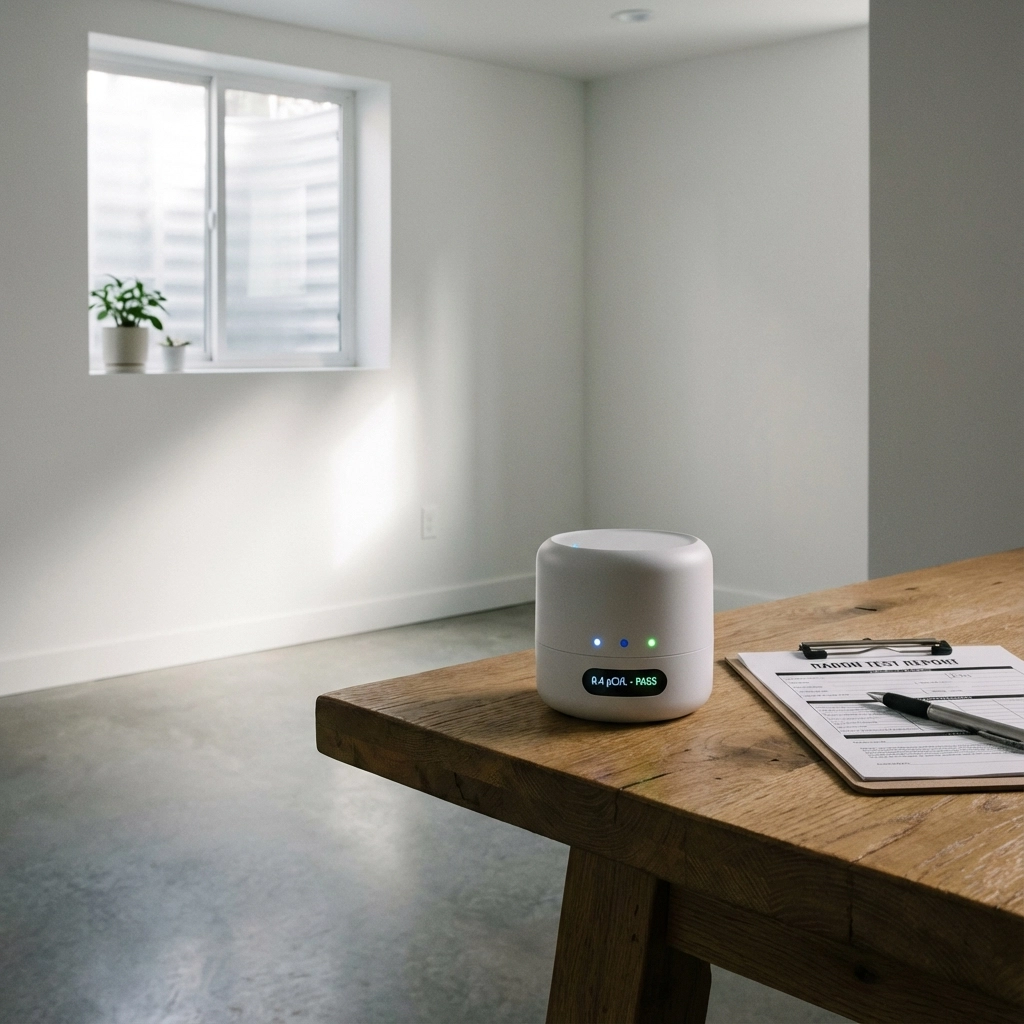
The testing itself is straightforward. Short-term tests take 2-7 days, while long-term tests run 3-12 months. For real estate transactions, short-term tests are standard because nobody wants to wait months to close on a house.
Understanding Radon Levels and What They Mean
The numbers matter, and here's what you need to know:
4.0 pCi/L or higher: The EPA says fix it. No debate, no waiting, just fix it. At this level, your risk of lung cancer increases significantly.
2.0-3.9 pCi/L: The EPA suggests you "consider" mitigation. In Northeast Ohio, where we see a lot of homes in this range, many buyers negotiate for mitigation anyway. Smart thinking, especially if you're planning to live there long-term.
Under 2.0 pCi/L: Generally considered acceptable, though no level is completely "safe." The World Health Organization actually recommends action at 2.7 pCi/L, which is lower than the EPA's 4.0 threshold.
Here's what buyers don't realize: radon levels can vary dramatically even within the same neighborhood. Your neighbor might test at 1.8 pCi/L while your house tests at 6.2 pCi/L. Soil composition, foundation type, and home construction all play roles.
Typical Mitigation Costs in Northeast Ohio
Let's talk real numbers, because this is where things get interesting for negotiations.
Active soil depressurization systems (the most common solution) typically run $1,200-$2,500 for most Northeast Ohio homes. This involves installing a pipe system under your basement slab with a fan that pulls radon out from beneath the foundation and vents it above the roofline.
More complex situations can push costs higher:
- Multiple foundation types: $2,500-$4,000
- Large homes or complex layouts: $3,000-$5,000
- Homes with crawl spaces or unique foundation issues: $2,000-$4,500
Additional costs you might not expect:
- Electrical work for the fan: $200-$500
- Post-mitigation testing: $150-$300
- Warranty and maintenance: $100-$200 annually
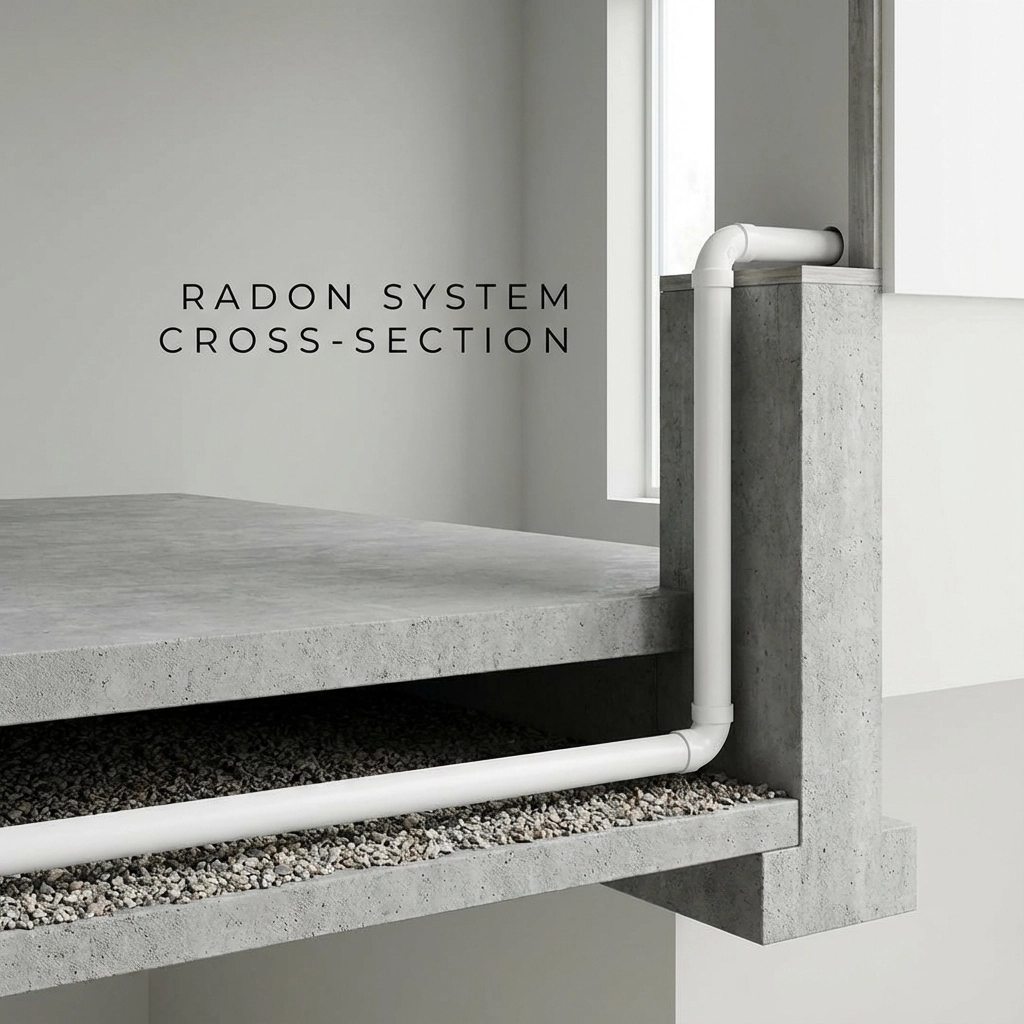
The good news? Most systems come with warranties, and properly installed mitigation systems can reduce radon levels by up to 99%. The not-so-good news? The fan runs 24/7, adding roughly $50-$100 to your annual electric bill.
Here's the insider detail most buyers miss: mitigation costs can vary significantly based on your specific foundation type. Poured concrete foundations are usually simpler and cheaper to mitigate than block foundations. Homes with multiple foundation types or unusual layouts can get expensive quickly.
How Radon Negotiations Actually Work
Every real estate agent will tell you radon negotiations are "standard," but here's how they really play out in Northeast Ohio:
The typical timeline:
- Day 1-3: Radon test placed during inspection period
- Day 4-7: Results come back
- Day 8-10: Negotiations happen (if needed)
- Day 11-closing: Mitigation completed (if negotiated)
Common negotiation outcomes:
Seller installs mitigation system: Most common when levels are 4.0+ pCi/L. Sellers often prefer this because they can control the contractor and timing.
Seller provides credit: Usually the full estimated mitigation cost plus a buffer for the buyer's inconvenience. Smart buyers ask for $500-$1,000 more than the estimate to cover potential complications.
Split the cost: Less common but happens when levels are borderline (2.5-3.9 pCi/L) or in competitive markets.
No action: Rare in Northeast Ohio given our elevated levels, but might happen if levels are under 2.0 pCi/L.

Market dynamics matter. In seller's markets, you might have less negotiating power. In buyer's markets, sellers are typically more willing to address radon concerns to keep deals together.
Here's what experienced agents know: timing is everything. If radon results come back high late in your inspection period, you have less leverage. Smart buyers request radon testing early and get results back quickly to maximize negotiation time.
Northeast Ohio-Specific Considerations
Our region has unique factors that affect both testing and mitigation:
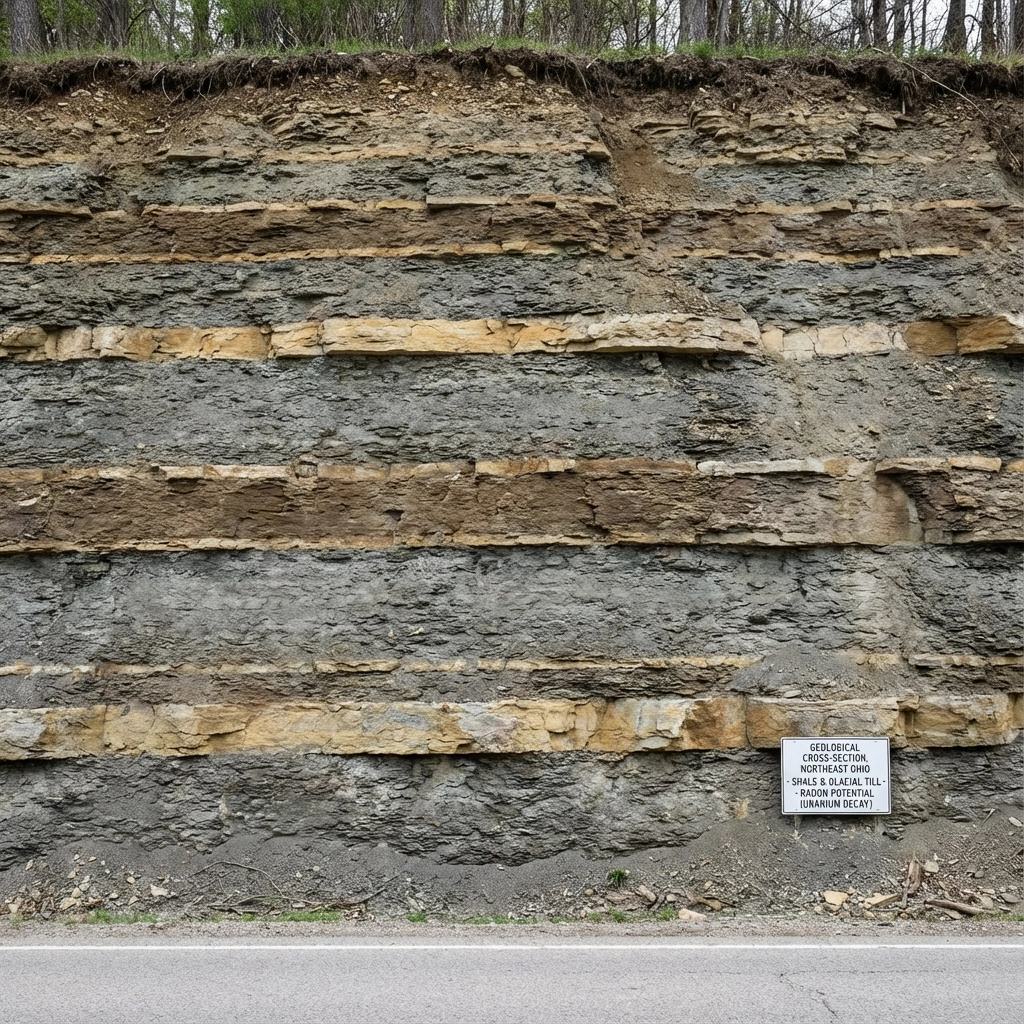
Geology matters: Summit County's high radon levels come from underlying rock formations that naturally produce more radon gas. Lake County's levels are influenced by both geology and proximity to Lake Erie, which can affect soil moisture and gas movement.
Foundation types vary: Many older Northeast Ohio homes have stone or block foundations, which can be more challenging and expensive to mitigate than newer poured concrete foundations.
Weather impacts testing: Cold winters mean homes are sealed up tight, potentially concentrating radon levels. Spring and fall testing might give different results than summer or winter testing.
Local contractor availability: We have experienced radon mitigation contractors in the area, but busy seasons (spring home buying) can create scheduling challenges. Plan accordingly.
Seasonal considerations: Many Northeast Ohio buyers want to close before winter, which can create timing pressure if mitigation is needed. Summer closings give you more flexibility for mitigation work.
What This Means for Your Transaction
If you're buying in Northeast Ohio, budget for potential radon issues upfront. That might mean:
- Including radon testing in your initial offer
- Having $2,000-$3,000 available for potential mitigation costs
- Building extra time into your closing timeline for possible system installation
If you're selling, consider testing your home before listing. Knowing your radon level upfront allows you to address it proactively rather than reactively during negotiations. Pre-listing mitigation can actually be a selling point, showing buyers you've already handled this common regional concern.
The bottom line: Radon is a known issue in Northeast Ohio, not a deal-killer. Properties with proper mitigation systems often test lower than homes that have never been addressed. The key is understanding the process, the costs, and the timeline so you can negotiate effectively and make informed decisions.
Smart buyers and sellers in our market treat radon testing and potential mitigation as standard parts of the transaction( because in Northeast Ohio, they should be.)

Carly Sablotny
REALTOR | Milestone Property Group | Keller Williams Living | PLACE
or another way