
Categories
BUYING, INVESTING, SELLINGPublished December 27, 2025
Point of Sale Inspections in Northeast Ohio: 7 Things Every Buyer and Seller Should Know in 2025

Point of Sale Inspections in Northeast Ohio: 7 Things Every Buyer and Seller Should Know in 2025
If you're buying or selling a home in Northeast Ohio, you've probably heard the term "point of sale inspection" thrown around. But what is point of sale inspection exactly? And more importantly, how does it affect your real estate transaction?
A point of sale inspection (often called a POS inspection) is a municipal requirement where certain cities mandate that homes be inspected for code violations before they can be sold. Unlike a standard home inspection that buyers typically order, these inspections are required by local governments and focus on safety and code compliance issues.
Here's what most people don't realize: POS in real estate isn't a one-size-fits-all requirement. The rules, costs, and processes vary dramatically across Northeast Ohio municipalities. What works in Cleveland Heights might be completely different from what's required in Euclid or non-existent in Cleveland proper.
Whether you're a first-time buyer or seasoned investor, understanding these seven critical aspects of point of sale inspections could save you thousands of dollars and weeks of delays.
1. Not All Northeast Ohio Cities Require Point of Sale Inspections
The biggest misconception about real estate POS requirements is that they're universal. They're not.
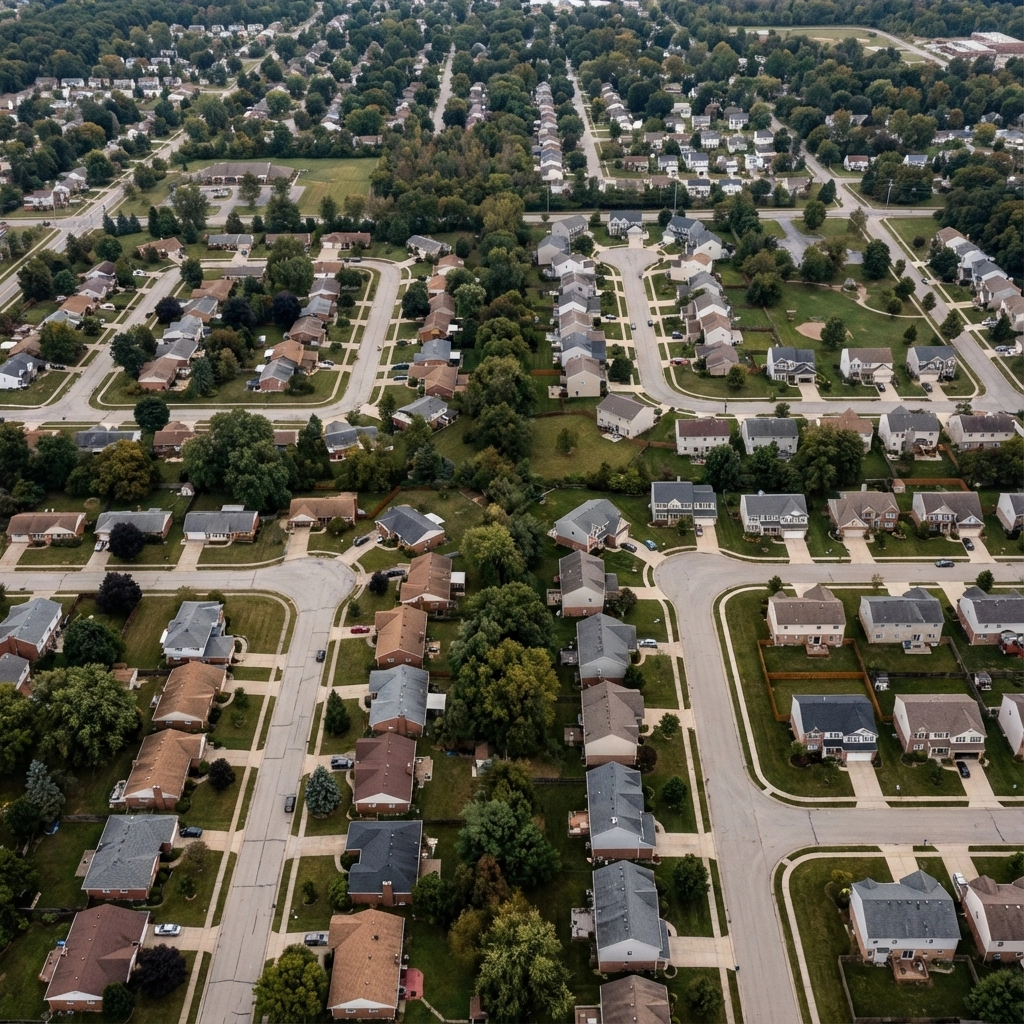
Many cities in Cuyahoga and Lake counties mandate point of sale inspections, including Cleveland Heights, Euclid, South Euclid, and Shaker Heights. But plenty of others, including Cleveland itself and Lyndhurst, have no POS requirements whatsoever.
This patchwork of regulations means you can't assume anything. A property just a few miles away might have completely different requirements. Before listing your home or making an offer, verify your specific municipality's current requirements. Cities frequently update their POS policies, so even recent experience in the same area might not apply.
2. Inspection Scope Varies Dramatically by City
When people ask "what is point of sale in real estate," they often assume all inspections cover the same areas. Not true.
Some cities require only exterior inspections, focusing on roofing, siding, gutters, and foundation issues. Others mandate comprehensive interior and exterior assessments that include electrical systems, plumbing, heating, and structural components.
For example, Brook Park and Willowick typically require exterior-only inspections, while Shaker Heights requires both interior and exterior evaluations. Maple Heights gives sellers a choice between exterior-only or comprehensive inspections.
This difference significantly impacts your timeline and budget. An exterior-only inspection might take a day or two to schedule and complete. A comprehensive inspection could take weeks, especially if violations are discovered that require contractor estimates and repairs.
Some municipalities also require additional items beyond the basic POS—think sewer dye tests or storm/sanitary lateral evaluations, smoke/CO checks, or specific weatherization items.
Requirements vary by city and can change. Verify the exact scope with the building department for your address to stay Up To Date.
3. Two Different Certificates Tell Very Different Stories
After your POS inspection, you'll receive one of two documents that can dramatically affect your sale:
Certificate of Compliance: This is what every seller wants. It means no significant violations were found, and the property meets municipal standards. These certificates are typically valid for 6 months-2 years, so if you need to sell again soon, you won't need another inspection.
Certificate of Inspection: This means violations were found. You'll need to either complete repairs before closing or set up an escrow arrangement where funds are held to ensure repairs are completed after closing.
When violations can’t be completed before closing, repair escrow is common in some Northeast Ohio municipalities. Escrow is usually held by the title company or the buyer’s lender. The amount is often 120%–150% of the city-approved repair estimate to make sure funds cover surprises. Release typically requires: (1) city re-inspection or a compliance letter confirming the violations are corrected, (2) contractor invoices or permits as required, and (3) lender sign-off if the lender is holding funds. Exact escrow rules vary by city and lender, so confirm details early.
The type of certificate you receive can impact buyer negotiations. A Certificate of Compliance gives buyers confidence and keeps negotiations focused on price and terms. A Certificate of Inspection might lead to repair negotiations, price reductions, or buyers walking away entirely.
4. Timing Can Make or Break Your Deal
Here's where most sellers make a costly mistake: waiting until after accepting an offer to complete their point of sale inspection.
Smart sellers complete POS inspections before listing their property. This approach resolves any violations upfront, eliminates surprises during the transaction, and prevents buyers from using inspection results as negotiation leverage.
Waiting until after an offer is accepted creates multiple risks:
- Closing delays while violations are addressed
- Buyers walking away if significant issues are discovered
- Rush repairs that cost more and may not be done properly
- Escrow complications that can derail financing
If you're buying a property in a POS municipality, ask whether the inspection has been completed and request to review the certificate before making your offer.
Buyer assumption of POS responsibilities: In some Northeast Ohio cities, the buyer can assume the POS process—if the city allows it and the purchase contract spells it out. What changes for you…
- Timing: closings can happen sooner because repairs move post-closing, but building the escrow and getting lender approval may add a few days.
- Responsibilities: the buyer schedules re-inspections, pulls permits, and completes repairs after closing.
- Money: the buyer may need to post a repair escrow per city/lender rules; the contract should say who funds it and any caps.
- Paperwork: some cities require a buyer assumption affidavit or a conditional certificate to transfer responsibility.
Always verify your city’s process with the building department and put the details in writing in your contract.
5. Costs Are Generally Reasonable But Vary by Municipality
Point of sale inspection fees are typically modest compared to other transaction costs, but they vary by city.
Cleveland Heights charges $200 for the first unit and $50 for each additional unit (so a duplex costs $250). Other municipalities may charge more or less, with some cities basing fees on property size or assessment value.
Beyond the inspection fee itself, budget for potential repair costs if violations are found. Common point of sale violations include:
- Electrical issues (outdated panels, improper wiring)
- Plumbing problems (leaky fixtures, code violations)
- Roof repairs (missing shingles, gutter issues)
- Foundation concerns (cracks, drainage problems)
- Safety violations (missing smoke detectors, handrail issues)
6. Impact on Buyers vs. Sellers Is Night and Day
For Sellers: Point of sale inspections add time, cost, and uncertainty to your transaction. You'll need to budget 2-4 weeks for the process, potentially longer if repairs are required. The biggest financial risk isn't the inspection fee, it's discovering expensive violations that must be addressed before closing. In some cities, you can shift the POS process to the buyer by agreement; this can speed your closing but often requires a repair escrow and clear terms on who handles permits, contractors, and re-inspections.
For Buyers: POS requirements can actually work in your favor. When a property has already passed inspection, you have additional confidence in its condition. If violations were found and repaired, you benefit from recent updates and repairs. Always ask to review the POS certificate or inspection report, and understand any ongoing obligations. If you agree to assume POS responsibilities, you’ll be responsible for scheduling repairs post-closing, coordinating re-inspections, and maintaining any lender/title-held escrow until the city issues final approval. Build extra time into your due diligence and confirm your lender’s escrow rules.
If you're buying in a POS municipality where the inspection hasn't been completed, consider making your offer contingent on satisfactory POS results—or clearly outline any buyer POS assumption and escrow terms. This protects you from discovering deal-breaking violations after you're committed to the purchase.
7. The Political Landscape Is Changing
The real estate POS landscape in Northeast Ohio is evolving. A growing number of real estate professionals and advocacy groups are pushing to eliminate or significantly revise point of sale requirements.
The Akron Cleveland Association of REALTORS has been actively advocating for ending POS mandates, arguing they create barriers to homeownership and slow the sales process without providing significant public benefit.
Some municipalities have already modified their requirements in response to market pressure, while others are considering changes. This means the POS requirements in your area today might be different next year.
Stay informed about regulatory changes, especially if you're planning to sell in the coming months. What seems like a settled requirement today could change with a city council vote.

FAQ: Point of Sale Inspections in Northeast Ohio
Q: How do I know if my city requires a point of sale inspection? A: Contact your local building department directly. Requirements change frequently, and online information may not be current.
Q: Can I sell my home without a POS inspection if my city requires one? A: No. If your municipality mandates point of sale inspections, you cannot complete the sale without proper certification.
Q: Who pays for the POS inspection, buyer or seller? A: Sellers typically pay for the initial POS inspection, but you can negotiate. If the buyer assumes the POS process, the buyer may take on re-inspection fees and any required repair escrow. Confirm payment responsibilities in the purchase contract and with the city.
Q: How long does a POS inspection take? A: The inspection itself usually takes 1-2 hours, but scheduling and results can take 1-4 weeks depending on the city and inspector availability. Exterior-only inspections often move faster; comprehensive inspections—and add-ons like a sewer dye test—can add days. Always check your city’s current timeline.
Q: What happens if my property fails the POS inspection? A: You'll receive a Certificate of Inspection listing required repairs. You can complete repairs and request re-inspection, or, if repairs can’t be finished before closing, set up a repair escrow. In Northeast Ohio, escrow is typically held by the title company or lender; amounts often equal 120%–150% of the repair estimate. Funds are released after the city signs off (re-inspection or letter of compliance) and any lender conditions are met. Exact rules vary by lender and municipality, so verify requirements for your address.
Q: Are POS inspections the same as home inspections? A: No. POS inspections focus on municipal code compliance and safety issues. Home inspections are more comprehensive and look at overall property condition.
Quick POS Inspection Checklist
Before Listing Your Home:
- Confirm if your city requires POS inspections
- Schedule inspection 4-6 weeks before planned listing date
- Review common violation areas (electrical, plumbing, roof, safety)
- Budget for potential repair costs
- Obtain all permits for recent renovations
When Buying in a POS Municipality:
- Ask if POS inspection has been completed
- Request to review the certificate or inspection report
- Understand any repair obligations or escrow requirements
- Consider making your offer contingent on satisfactory POS results
- Budget time for potential delays if violations are discovered
Ready to Navigate Northeast Ohio Real Estate?
Point of sale inspections are just one piece of the complex Northeast Ohio real estate puzzle. Whether you're buying your first home, selling a long-time residence, or building an investment portfolio, having the right guidance makes all the difference.
At Milestone Property Group, we know the ins and outs of every municipality's requirements, from POS inspections to zoning regulations to market trends. Our team has helped hundreds of buyers and sellers successfully navigate these local requirements while maximizing their investment returns.
Ready to make your next real estate move? Contact our team today for a consultation. We'll help you understand exactly what to expect in your specific area and create a strategy that saves you time, money, and stress.
Don't let municipal requirements catch you off guard. Partner with professionals who know Northeast Ohio real estate inside and out.

Carly Sablotny
REALTOR | Milestone Property Group | Keller Williams Living | PLACE
or another way