Published January 11, 2026
Ohio Property Taxes Are Paid in Arrears : What That Means for Homebuyers and Sellers

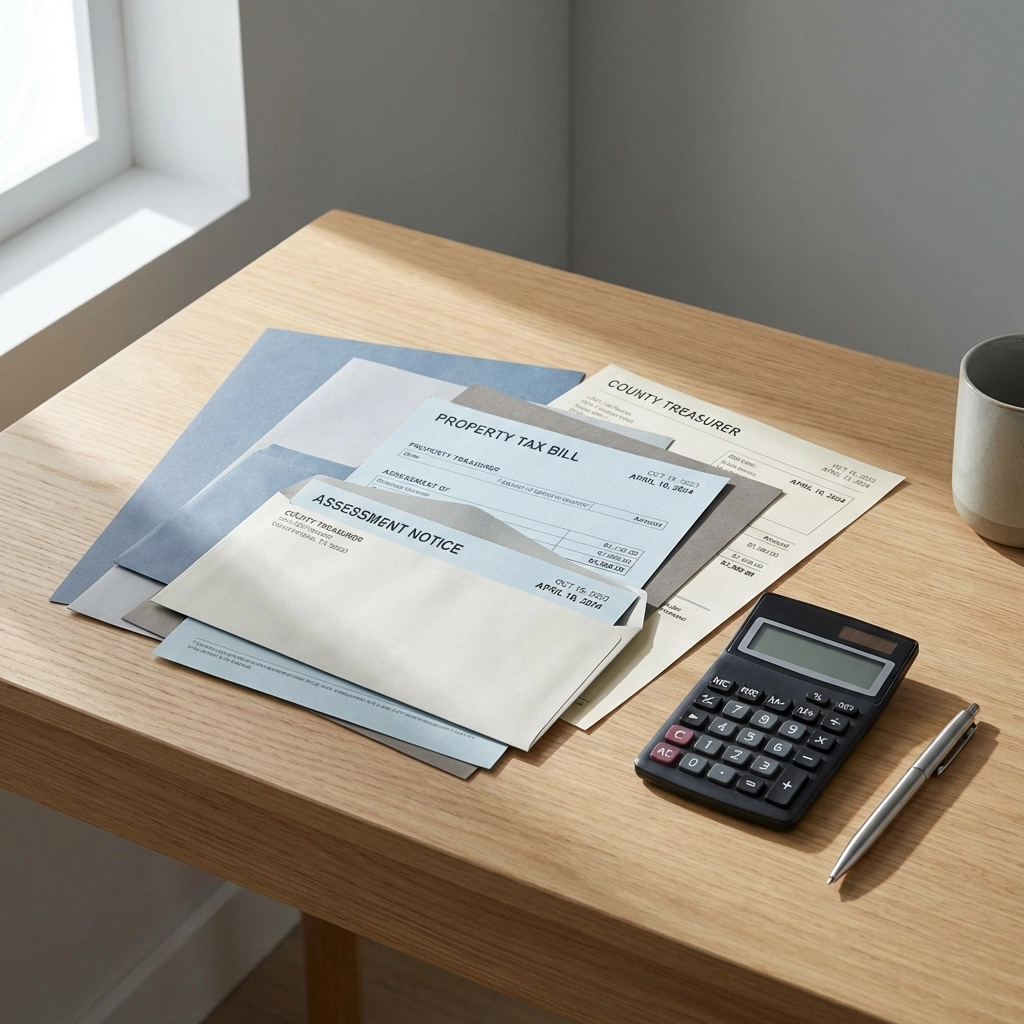
Ohio Property Taxes Are Paid in Arrears : What That Means for Homebuyers and Sellers
When you're buying or selling a home in Northeast Ohio, you focus on the big numbers : purchase price, down payment, mortgage rate. But there's one financial detail that catches both buyers and sellers off guard at closing: Ohio's "arrears" property tax system.
Most people assume property taxes work like rent : you pay for the current period. That's not how it works in Ohio. And if you don't understand this system before you sign a purchase agreement, you could face unexpected costs or confusion at closing.
What "Paid in Arrears" Actually Means
In Ohio, property taxes are assessed and paid for a prior period, not the current year. When you receive a tax bill in 2026, you're actually paying for taxes that were owed from July 2024 through December 2024. The next bill covers January through June 2025.
Think of it this way: Ohio is always running about 18 months behind on property tax billing. The taxes you pay in any given year are based on what your property was worth as of January 1 of the previous year.
This creates a gap between when you owe the taxes and when you actually get billed for them. And that gap is where things get complicated during real estate transactions.
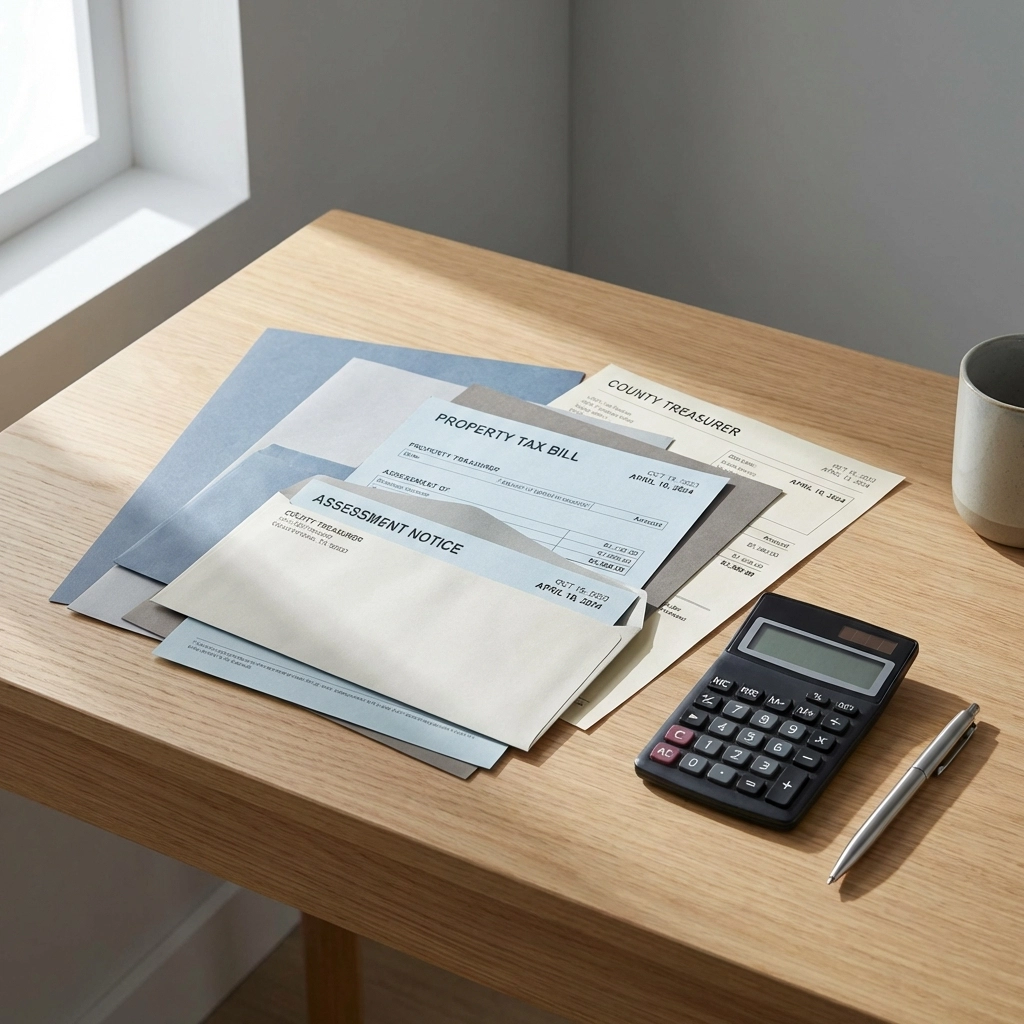
How This Impacts Sellers at Closing
Here's where sellers get surprised: You owe property taxes for the entire time you owned the property, even if you haven't received a bill yet.
Let's say you're selling your Westlake home and closing on March 15, 2026. You paid your last property tax bill in December 2025, which covered July through December 2024. But you actually owe taxes for January 1, 2025 through March 15, 2026 : and you won't get that bill until sometime in 2027.
The closing company calculates these unpaid taxes based on the current tax duplicate and deducts this amount from your sale proceeds. On a $400,000 home in Cuyahoga County with annual taxes around $8,000, you could owe $2,000+ in unpaid taxes at closing.
If your mortgage lender was collecting property taxes in escrow, this gets even more complex. You'll pay the unpaid taxes at closing, but your lender will eventually refund your escrow balance : a process that can take 2-3 months after closing.
What Buyers Need to Know
As a buyer, the arrears system actually works in your favor at closing. You receive a credit for the property taxes the seller owes.
This credit reduces your cash-to-close and lowers your immediate closing costs. But here's what buyers don't expect: you'll receive tax bills for periods before you owned the property, and you'll need to pay them. The seller's credit essentially gives you the money to cover this liability.
For example, if you buy that same Westlake home in March 2026, you'll eventually receive tax bills in 2027 for January-March 2026 (when the seller still owned the property). You pay the bill, but the seller already gave you the credit to cover it.

Tax Proration: The Math That Matters
Ohio uses two different property tax proration formulas depending on how your real estate contract is written: "short proration" and "long proration." This isn't just accounting jargon : it can result in hundreds of dollars difference in who pays what.
Short proration typically covers the period from the last paid tax bill through closing. Long proration covers a longer period and can include future taxes that haven't been billed yet.
Your real estate agent and closing company handle these calculations, but understanding the difference helps you know what to expect on your settlement statement.
Most contracts in Northeast Ohio use the standard proration method, but it's worth asking your agent which formula your contract specifies, especially on higher-value properties where the difference becomes more significant.
First-Year Surprises for New Homeowners
New homeowners in Ohio often face confusion in their first year because of the arrears system. You might receive multiple tax bills that seem to overlap or cover periods before you owned the property.
This is normal. Keep your closing paperwork handy : it shows exactly which periods the seller covered and which periods you're responsible for.
If you're buying a newly-built home, the tax situation gets even more complex. New construction often receives supplemental tax bills as the county updates assessments from vacant land to improved property values.

What to Ask Before Making an Offer
Smart buyers ask specific questions about property taxes before writing an offer:
"What were the actual property taxes for the last two years?" Don't just rely on MLS estimates or online calculators. Get the actual bills.
"When was the property last reassessed?" Properties in growing areas like Avon, Strongsville, or Mentor might face significant tax increases if they haven't been reassessed recently.
"Are there any pending tax appeals or assessments?" Some sellers might be fighting their tax assessment, which could affect future bills.
"What's included in the current escrow analysis?" If the seller had an escrow account, their lender's projections can give you insight into expected tax increases.
The Northeast Ohio Factor
Property taxes vary dramatically across Northeast Ohio. A $300,000 home in Cleveland might have annual taxes around $6,000, while the same home in Solon could see taxes closer to $10,000. Understanding your specific area's tax rates and assessment patterns helps you budget accurately.
Some communities, like Rocky River or Bay Village, have seen significant tax increases as property values have climbed. Others, like parts of Cleveland, offer various tax abatement programs that can reduce bills for several years.
Making It Work for You
The arrears system isn't something you can change, but you can plan for it. Sellers should budget for the unpaid tax deduction at closing. Buyers should understand that their first-year tax bills might look confusing but are typically covered by closing credits.
Keep detailed records. Save all your closing documents, especially the settlement statement showing tax prorations. You'll need these when you receive bills for periods before you owned the property.
If you're working with a knowledgeable real estate agent, they'll walk you through the tax proration calculations and help you understand what to expect. The arrears system has been confusing Ohio homeowners for decades, but it doesn't have to catch you off guard.
The key is knowing about it upfront : before you start house hunting, not when you're sitting at the closing table wondering why your settlement statement shows unexpected tax deductions.
Ohio's arrears system is just another reason why working with local professionals who understand Northeast Ohio's specific quirks makes the buying and selling process smoother. When you know what to expect, you can plan accordingly and avoid closing day surprises.