
Categories
SELLINGPublished October 23, 2026
How to Prepare Your Home for Sale in 30 Days: A Northeast Ohio Seller’s Plan

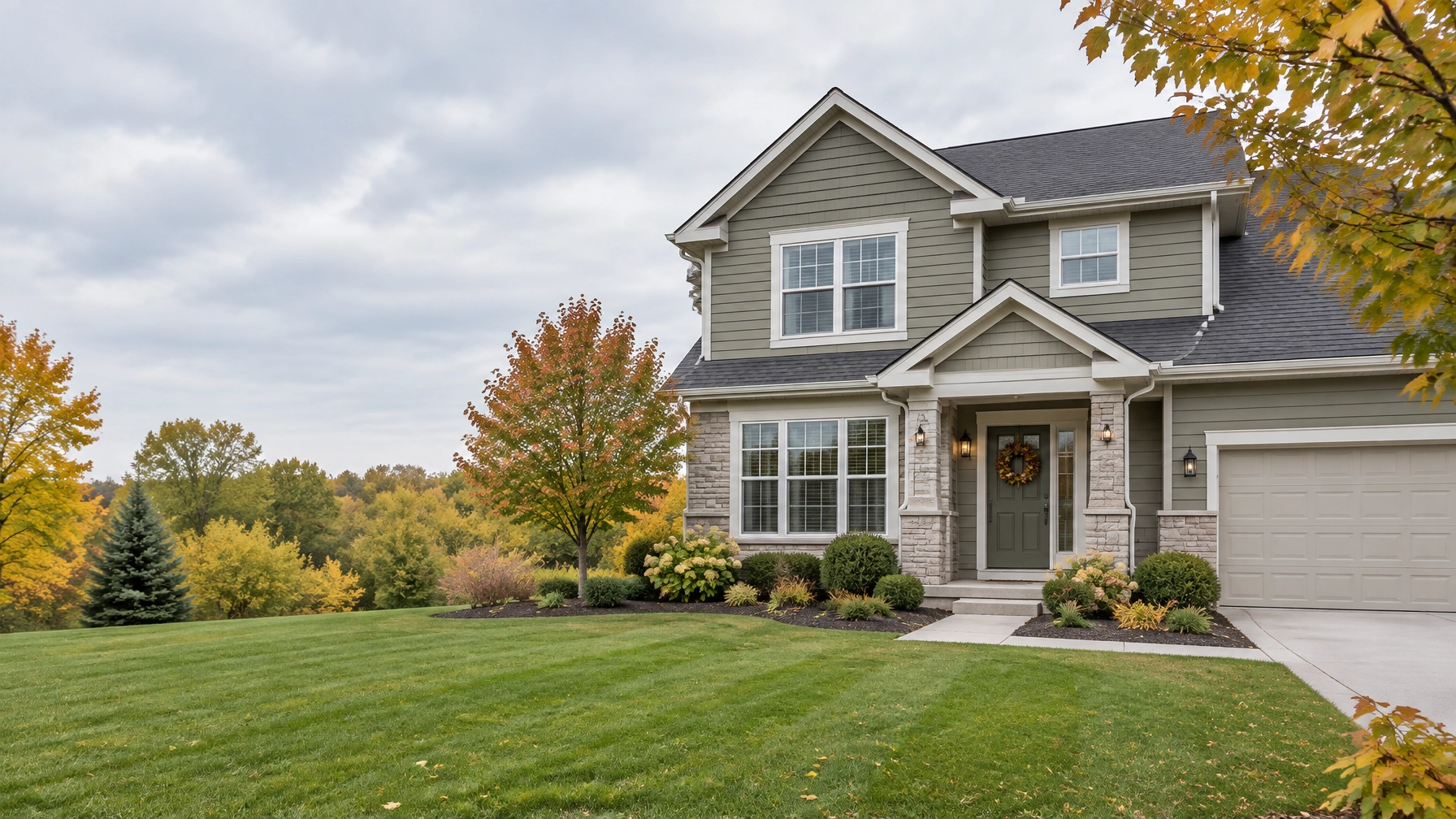
How to Prepare Your Home for Sale in 30 Days: A Northeast Ohio Seller’s Plan

Most sellers focus on the visible details: fresh paint, clean countertops, and a neatly trimmed lawn. But the real preparation process goes far beyond making your home look attractive for a few photographs...
You need the right price, a realistic timeline, accurate paperwork, a showing plan, and a strategy for handling buyer feedback. In the 2026 Northeast Ohio market, it is also wise to plan for a longer holding timeline than sellers may have experienced during the most competitive years.
The goal is not to renovate everything. It is to make the improvements that help your home show well, photograph well, and withstand buyer scrutiny: without spending money you may not recover.
Days 1–3: Start With Pricing and Strategy
Day 1: Schedule a pricing and strategy meeting
Your first step should be a detailed meeting with your real estate agent: not a trip to the paint store.
A proper pricing discussion should include:
- Your preferred selling timeline
- Your next-home or relocation plans
- The home’s condition and recent improvements
- Potential repair concerns
- Current competition
- Recently sold homes with similar features
- A marketing and showing strategy
- Your expected proceeds and likely closing costs
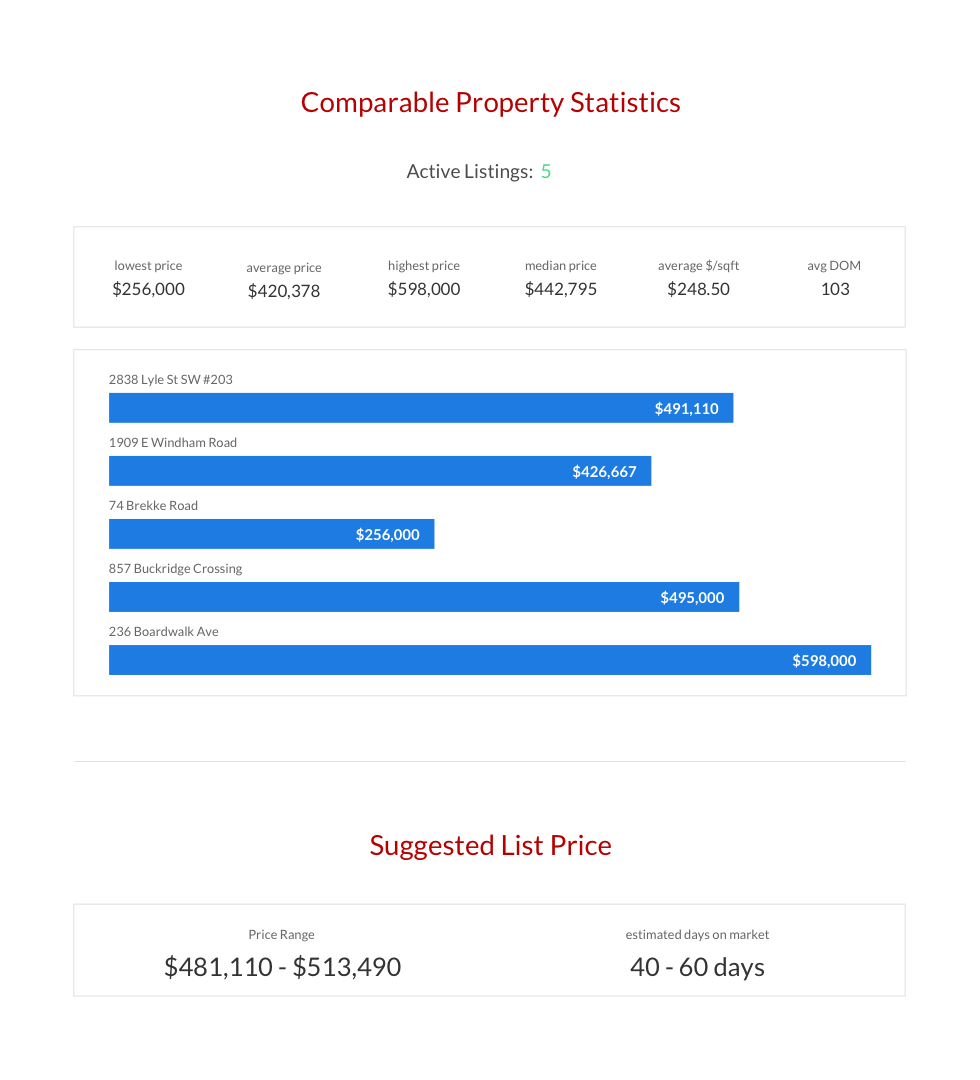
Accurate pricing starts with comparing your home to properties that are similar in location, square footage, age, condition, layout, lot size, and features. A newer, fully updated home should not be compared directly with an older home that needs cosmetic work simply because both have three bedrooms.
Milestone Property Group’s pricing process uses current market data, including active, pending, and sold comparable properties. You can also request a home value before the meeting so you have an initial point of reference.
The most expensive mistake is often pricing high “to leave room for negotiation.” If the price keeps qualified buyers from clicking, scheduling, or making an offer, you may lose the strongest launch period.
Days 2–3: Build a fix list and a skip list
Walk through the home with your agent and divide every project into two categories:
Fix list
- Active leaks or water stains
- Loose railings and trip hazards
- Running toilets or dripping faucets
- Broken doors, locks, or windows
- Damaged flooring
- Peeling paint
- Failed light fixtures
- Overdue furnace or HVAC service
- Exterior issues that suggest deferred maintenance
Skip list
- Major kitchen remodeling
- Room additions
- Moving walls
- High-end finishes that do not fit the neighborhood
- Projects that cannot be completed before photography and showings
The best 30-day improvements are usually smaller and more visible. A repaired handrail, fresh caulk, working light fixture, and clean entryway can make a stronger impression than an expensive upgrade buyers may not value equally.
Days 4–7: Declutter, Store, and Begin Paperwork
Declutter for space: not perfection
Buyers are not just evaluating your belongings. They are evaluating storage.
Start with the rooms that receive the most attention:
- Kitchen
- Living room
- Primary bedroom
- Bathrooms
- Entryway
Remove extra furniture, crowded décor, personal collections, excess countertop appliances, and anything that makes a room feel smaller. Aim to leave closets about one-third empty so buyers can see the available capacity.
Rent a small storage unit if necessary. A storage unit is often a better investment than trying to make an overfilled basement, garage, or closet look organized. Avoid simply moving clutter from the main rooms into storage areas; buyers will look there too.
Begin disclosures and property records
Do not wait until the listing is ready to address paperwork. Gather:
- Ohio Residential Property Disclosure Form
- Records of repairs and improvements
- Roof, furnace, HVAC, and appliance information
- Warranties and service contracts
- Utility details
- Homeowners association documents, if applicable
- Lead-based paint documentation for applicable older homes
- Lease, rent, and expense records for investment properties
Complete disclosures carefully and accurately. If you are unsure how to answer a question, ask your real estate professional or an appropriate legal or licensed expert rather than guessing.
For general information about the selling process, visit Milestone Property Group’s selling page.
Days 8–14: Complete High-Impact Repairs and Cleaning
Triage repairs by buyer impact
At this stage, schedule the vendors you need and complete the repairs most likely to affect buyer confidence.
Prioritize:
- Plumbing leaks
- Electrical safety concerns
- Broken appliances that remain with the home
- Damaged flooring in high-traffic areas
- Failed caulk around tubs and sinks
- Loose cabinet hardware
- Missing smoke or carbon monoxide detectors
- Worn weatherstripping
- Damaged gutters or downspouts
- Furnace or air-conditioning service
Do not spend heavily on improvements that are difficult to see or unlikely to return their cost. Your agent can help you decide whether a repair should be completed, disclosed, credited, or left as-is.
Deep-clean the areas buyers notice first
A standard cleaning is not always enough before listing. Focus on:
- Windows and screens
- Baseboards and trim
- Kitchen appliances
- Cabinet fronts and hardware
- Grout and shower doors
- Light fixtures and ceiling fans
- Furnace vents and returns
- Basement and garage floors
- Closets and storage areas
Odor control deserves special attention. Avoid trying to cover odors with strong air fresheners. Instead, identify and remove the source. Clean carpets, wash soft surfaces, empty trash frequently, check basement moisture, and ventilate the home. If there are persistent pet, smoke, or mildew odors, address them before photography: not after buyers begin commenting on them.
Use paint and lighting strategically
A full repaint is rarely necessary. Concentrate on scuffed walls, bold colors, heavily used hallways, and rooms where inconsistent paint makes the home look unfinished.
Choose neutral, light-reflective colors that work with the home’s existing finishes. Then replace outdated bulbs and burned-out fixtures. Use consistent color temperature where possible, and make sure every room has working illumination.
Open blinds and curtains before photography. Trim exterior growth that blocks windows. More natural light can make a room feel larger without changing its dimensions.
Days 15–18: Improve Curb Appeal and Stage the Home
Refresh the exterior
Northeast Ohio buyers notice the approach to the home before they notice the kitchen.
Complete the basics:
- Mow and edge the lawn
- Weed and mulch planting beds
- Trim shrubs away from windows and walkways
- Sweep the porch and steps
- Clean the front door
- Replace burned-out exterior bulbs
- Straighten house numbers and mailbox hardware
- Remove seasonal clutter
- Clean the driveway and walkways where practical
Seasonal maintenance matters. In warmer months, keep landscaping tidy and watered. During colder weather, clear snow and ice, keep walkways safe, and use restrained seasonal décor.
Stage rather than redecorate
Staging should clarify how each room is used. Remove furniture that interrupts traffic flow, arrange seating around a natural focal point, and keep décor simple.
The priority is not to make the home look like a showroom. It is to help buyers understand the space quickly.
Schedule professional photography only after repairs, cleaning, staging, and exterior work are complete. Milestone Property Group emphasizes strong photography, virtual tours, and strategic online marketing because buyers often decide which homes to visit before they ever step inside.
Days 19–21: Finalize Marketing and Showing Logistics
Confirm:
- Listing description and property facts
- Room measurements and feature list
- Showing instructions
- Lockbox access
- Open-house timing, if appropriate
- Photo and video assets
- Utility and appliance information
- Disclosure documents
- Offer-review preferences
Create a showing routine your household can realistically follow. Decide how much notice you need, where pets will go, and what happens if a buyer requests a showing during work or school hours.
Protect valuables, medications, financial documents, firearms, jewelry, and sensitive personal information. Secure computers and remove mail, calendars, and paperwork that reveal travel plans or daily routines.
Days 22–30: Launch With the Right Expectations
Prepare for launch day
The day before photographs or launch:
- Clear kitchen and bathroom counters
- Make every bed
- Remove trash and litter boxes
- Hide pet supplies
- Turn on lights
- Open appropriate blinds
- Move vehicles from the driveway if possible
- Store cleaning products
- Check toilet lids, faucets, and cabinet doors
- Confirm the home smells clean and neutral
On launch day, your listing should go live with the correct price, complete information, professional images, and a coordinated marketing plan: not incomplete details followed by a series of rushed updates.
Plan a 10–14-day performance review
Agree in advance to review the listing after 10–14 days. Evaluate:
- Number of showings
- Online views and saves
- Buyer-agent feedback
- Showing-to-offer activity
- Price compared with new competition
- Whether buyers are objecting to condition, layout, or terms
Do not automatically reduce the price after one quiet weekend. But do not ignore a pattern either. If qualified buyers are visiting but not offering, condition or price may be misaligned. If there are very few showings, the price, presentation, or marketing reach may be limiting traffic.
Concessions can be useful when they solve a specific buyer obstacle. Depending on the situation, a seller-paid closing-cost concession, rate buydown contribution, home warranty, or repair credit may be more effective than a broad price reduction. Use concessions strategically and review them with your agent and lender or title professional when appropriate.
Adjust the Plan for Your Property Type
Luxury home
Invest more in presentation, photography, video, lighting, landscaping, and privacy. Buyers in the luxury segment often expect detailed information about systems, materials, improvements, and maintenance history. Avoid generic staging that hides the home’s distinctive features.
Older home
Prioritize documentation, system information, visible maintenance, odor control, and safety-related repairs. Gather records for the roof, electrical, plumbing, heating, windows, and major updates. Do not conceal age-related details; prepare clear information so buyers can evaluate the home confidently.
Starter home
Focus on affordability and first impression. Fresh paint, clean flooring, functional fixtures, bright lighting, and a tidy exterior may matter more than premium finishes. Keep the price aligned with similar homes buyers can realistically afford.
Investment property
Organize leases, rent rolls, expense records, utility responsibilities, repair history, and tenant-related showing procedures. Coordinate notice requirements before scheduling showings, and present the property based on both condition and income potential.
Budget-Conscious 30-Day Checklist
- Pricing and strategy meeting completed
- Comparable homes reviewed by condition and features
- Fix list and skip list created
- Clutter removed or placed in storage
- Essential repairs completed
- Deep cleaning scheduled
- Odor sources addressed
- Neutral paint touch-ups completed
- Light bulbs and fixtures checked
- Landscaping and entry refreshed
- Disclosures and records gathered
- Valuables and personal documents secured
- Showing instructions finalized
- Professional photography scheduled
- Listing reviewed before launch
- 10–14-day performance review scheduled
- Longer holding timeline discussed
The right preparation plan is not about making your home perfect. It is about making smart decisions in the correct order: price accurately, repair strategically, simplify the presentation, document honestly, and launch with a plan.
If you are considering selling in Lakewood, Solon, Hudson, Macedonia, Twinsburg, Rocky River, or another Northeast Ohio community, connect with Milestone Property Group to discuss your home’s value, preparation priorities, and likely selling timeline.

Carly Sablotny
REALTOR | Milestone Property Group | Keller Williams Living | PLACE
or another way