
Categories
SELLINGPublished October 30, 2026
How to Make Your Home Look More Expensive Without a Major Renovation

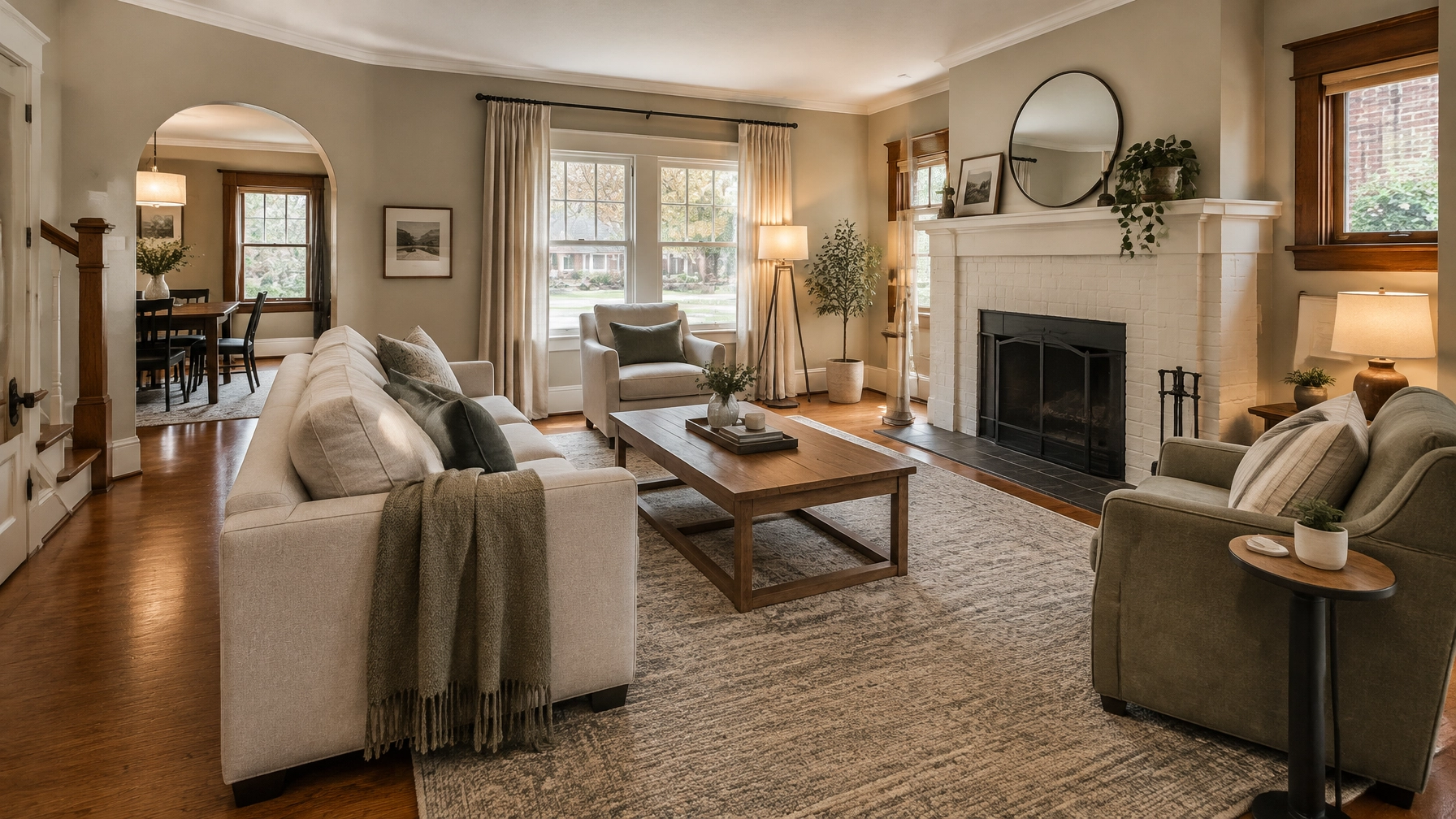
How to Make Your Home Look More Expensive Without a Major Renovation

Most sellers focus on the obvious upgrades: replacing the kitchen, remodeling the bathroom, or installing new flooring throughout the home.
But the real goal is not to make your home look brand new. It is to make it feel clean, intentional, well-maintained, and easy to imagine living in. Those impressions can influence how buyers respond to your property before they ever look closely at the age of the furnace or the size of the garage.
The good news is that presentation often matters more than a major renovation. According to the National Association of REALTORS® 2025 Profile of Home Staging, decluttering is one of the most common recommendations real estate professionals make before a home is listed.
Here is how to create a more polished look without overspending: or improving the wrong things.
Start With Decluttering, Not Decorating
The fastest way to make a home feel more valuable is usually to remove what does not need to be there.
Buyers notice crowded countertops, overfilled closets, piles of shoes, oversized furniture, and rooms without a clear purpose. They may not describe the problem as “too much visual noise,” but they will feel that the home is smaller, darker, or less functional than it really is.
Begin with:
- Kitchen counters and refrigerator doors
- Bathroom counters and open shelving
- Entryways, stairs, and hallways
- Nightstands, dressers, and coffee tables
- Closets, basements, garages, and storage areas
- Excess furniture that blocks pathways or windows
A useful rule is to remove roughly one-third to one-half of what is visible. Pack seasonal items, extra books, collections, duplicate kitchen tools, and rarely used furniture. If closets are full, buyers may assume the home lacks storage: even if it does not.
This is especially important in older Cleveland-area homes, where rooms may have a smaller footprint than newer suburban construction. Removing one chair, side table, or bulky cabinet can make a surprisingly large difference.
Create a Consistent Neutral Background
You do not need to paint every room white. You do need to make the home feel coordinated.
If each room has a different bold wall color, dated accent wall, or highly personal finish, buyers may focus on the work required to change it. A consistent palette helps them focus on the home’s layout and features instead.
Consider soft, flexible shades such as:
- Warm white
- Light beige
- Soft gray
- Greige
- Muted taupe
- Very subtle sage or blue-gray
Prioritize rooms with dark, damaged, or highly saturated paint. Touch up scuffs and repair nail holes before applying fresh paint. In a condo or starter home, painting the main living area, hallway, and primary bedroom may be more effective than repainting every room.
Avoid using several different “almost neutral” colors that clash under different lighting. Choose one primary wall color and, if needed, one compatible trim or accent color. The goal is a cohesive flow: not a showroom with no personality.
Upgrade Lighting and Bulb Temperature
Lighting is one of the least expensive ways to change how a home feels. It is also easy to get wrong.
Cool blue-white bulbs can make rooms feel stark and clinical. Very warm yellow bulbs can make neutral paint look dingy. For most living spaces, a warm-neutral LED in the range of approximately 2700K to 3000K creates a comfortable, polished appearance.
Before listing:
- Replace burned-out or mismatched bulbs.
- Use similar bulb temperatures throughout connected spaces.
- Open curtains and blinds fully for photos and showings.
- Clean light fixtures and ceiling fans.
- Add lamps where a room feels dark.
- Make sure every light switch works.
- Replace visibly dated or damaged light fixtures when the cost is reasonable.
Northeast Ohio homes often need extra help on gray days, particularly in rooms with small windows, deep porches, or mature trees outside. Layered lighting: overhead fixtures, lamps, and under-cabinet lighting: can make a home feel more comfortable without changing its structure.

Make Small Finishes Look Intentional
Minor details can make an older home feel better cared for. They do not need to be expensive, but they should look coordinated.
High-impact, relatively affordable improvements include:
- Replacing mismatched cabinet knobs and pulls
- Updating worn switch plates and outlet covers
- Installing a simple, modern bathroom mirror
- Replacing yellowed or damaged curtains
- Using one curtain style throughout the main living areas
- Refreshing caulk around tubs, sinks, backsplashes, and windows
- Cleaning or repairing discolored grout
- Replacing a cracked toilet seat or worn shower curtain
- Hiding exposed cords and cable clutter
Hardware in matte black, brushed nickel, or another finish that complements the home can make cabinets and doors look more current. Do not mix too many finishes unless the combination looks deliberate.
Fresh caulk and grout are particularly valuable in bathrooms. Buyers may interpret cracked caulk or dark grout as evidence of moisture problems or deferred maintenance. Cleaning and refreshing these areas does not replace professional repairs when needed, but it can eliminate an avoidable negative impression.
Arrange Furniture for Space and Flow
Furniture should show buyers how a room works: not make them navigate around it.
Create a clear path through the home from the entry to the main living areas. Pull furniture away from walls when appropriate, arrange seating around a focal point, and remove pieces that make a room feel cramped.
In a smaller starter home or condo:
- Use fewer, appropriately sized pieces.
- Avoid blocking windows or balcony doors.
- Keep walkways open.
- Give each room a clear purpose.
- Remove exercise equipment and storage bins from living spaces.
- Use mirrors to reflect light, not to fill every empty wall.
A spare bedroom should look like a bedroom, office, or flexible guest space. A room filled with boxes and miscellaneous furniture creates uncertainty. Buyers should not have to guess how they might use the space.
Remove Dated and Overly Personal Decor
Your home should still feel welcoming, but buyers need room to picture their own lives there.
Put away:
- Large collections
- Family photographs
- Political or religious displays
- Oversized signs and novelty decor
- Highly specific hobby equipment
- Excessive seasonal decorations
- Artwork that dominates a room
- Memorabilia that may distract from the home
You do not need to remove every decorative item. A few neutral pieces: such as a simple vase, plant, framed print, or stack of books: can add warmth. The key is restraint.
When in doubt, remove an item and compare the room. If the space feels calmer and larger, leave it packed.
Deep Clean Beyond the Basics
Buyers often connect cleanliness with maintenance. A home that smells fresh and looks cared for can feel more valuable, even when its finishes are not new.
Focus on the areas buyers notice quickly:
- Baseboards and trim
- Windows and window tracks
- Kitchen appliances, cabinet fronts, and backsplash
- Bathroom mirrors, grout, fixtures, and glass
- Floors, rugs, and carpet edges
- Ceiling fans and light fixtures
- Door handles and frequently touched surfaces
- Basement and garage floors
- Pet hair, litter areas, and odor sources
Consider professional carpet or upholstery cleaning if stains are visible. Clean windows are also worthwhile in older homes, where original glass, storm windows, or deep trim may otherwise make rooms feel darker.
Avoid strong air fresheners. Buyers may interpret heavy fragrance as an attempt to cover odors. Clean, neutral, and well-ventilated is the better presentation.
Improve the Front Door and Curb Appeal
The outside of the home establishes expectations before buyers walk inside.
You do not need an elaborate landscape plan. You need a tidy, cared-for arrival.
Prioritize:
- Sweeping the porch, steps, and walkway
- Cleaning the front door
- Touching up or repainting the door if the finish is worn
- Replacing a faded doormat
- Clearing cobwebs
- Trimming shrubs away from windows and walkways
- Removing dead plants and branches
- Adding fresh mulch where appropriate
- Keeping the lawn edged and maintained
- Using one or two simple planters near the entry
For Northeast Ohio properties, seasonality matters. Clear leaves in the fall, keep walkways safe in winter, and address salt residue or mud when needed. A neat exterior does not have to look expensive: it needs to look managed.

Prepare for Listing Photos
A home can look attractive in person and still photograph poorly. Since many buyers first encounter a property online, photography readiness matters.
Before photos:
- Open every blind and curtain.
- Turn on all lights.
- Remove trash cans, pet bowls, laundry, and cleaning supplies.
- Clear counters almost completely.
- Remove vehicles from the driveway if possible.
- Hide cords and remote controls.
- Straighten rugs, pillows, towels, and bedding.
- Clean windows and mirrors.
- Check that toilet lids are closed.
- Remove refrigerator magnets and excessive door decor.
- Make sure the exterior entry is clean and accessible.
Wide-angle photography can make rooms appear larger, but it cannot hide clutter, poor lighting, or blocked pathways. Presentation should support accurate marketing: not create an unrealistic impression.

Use a Budget That Matches the Property
A practical presentation budget might look like this:
Under $300
Focus on decluttering, cleaning, fresh bulbs, new towels, a shower curtain, a doormat, and basic landscaping cleanup.
$300–$1,000
Add targeted neutral paint, updated cabinet hardware, new curtains, simple mirrors, refreshed caulk and grout, carpet cleaning, or a few lamps.
$1,000–$3,000
Consider broader painting, professional cleaning, rental furniture or staging assistance, fixture updates, exterior touch-ups, and more extensive landscaping cleanup.
The right budget depends on the property. A modest starter home does not need luxury staging. A higher-end suburban property may benefit from professional styling that matches buyer expectations. A condo may need less exterior work but more attention to furniture scale, storage, and lighting.
Projects Sellers Should Usually Avoid Over-Improving
Presentation can help your home compete. It cannot correct an inaccurate price, serious deferred maintenance, or material defects.
Before spending heavily, think carefully about:
- Full kitchen remodels with highly personal finishes
- Luxury appliances that do not match the neighborhood
- High-end flooring throughout a starter home
- Converting bedrooms into specialized spaces
- Major additions completed solely for resale
- Extensive landscaping that requires ongoing maintenance
- Trendy finishes likely to divide buyers
- Improvements that exceed the value of comparable homes
If the roof leaks, the electrical system has a known issue, or the foundation needs attention, new throw pillows will not solve the problem. Address important condition concerns honestly and discuss the likely return on any project with your real estate professional.
Likewise, presentation cannot replace accurate pricing. A beautifully prepared home that is priced above its market position may still sit, while an appropriately priced home with thoughtful preparation can attract stronger interest.
Before-Listing Checklist
Use this final walkthrough before your home is photographed or listed:
- Remove excess furniture and personal decor.
- Clear kitchen and bathroom counters.
- Organize closets, basement, garage, and storage areas.
- Touch up scuffed walls and choose a consistent neutral palette.
- Replace mismatched or burned-out bulbs.
- Clean windows, floors, fixtures, and appliances.
- Refresh caulk and grout where needed.
- Update visibly dated hardware or worn accessories.
- Arrange furniture to create open pathways.
- Trim landscaping and refresh the front entry.
- Remove odors, pet items, trash, and laundry.
- Check every room through a buyer’s eyes.
- Confirm the asking price reflects current local market conditions.
For a practical next step, request a home valuation from Milestone Property Group before deciding which improvements make sense. You can also learn more about the selling process and get advice tailored to your home’s age, neighborhood, condition, and likely buyer pool.
The most expensive-looking homes are not always the most renovated. They are often the ones that feel clean, cohesive, bright, and carefully maintained from the sidewalk to the final room. That impression starts with the details many sellers overlook… and those details are usually far less expensive than a major remodel.

Carly Sablotny
REALTOR | Milestone Property Group | Keller Williams Living | PLACE
or another way