
Categories
BUYING, INVESTING, SELLINGPublished January 14, 2026
How Property Taxes Work in Northeast Ohio (Plain English): What to Ask Before You Buy

How Property Taxes Work in Northeast Ohio (Plain English): What to Ask Before You Buy
Most buyers focus on mortgage payments and down payments... but the real cost of homeownership goes far beyond that monthly payment. Property taxes in Northeast Ohio can add hundreds: or even thousands: to your annual housing costs, and there are hidden factors that could surprise you after closing.
Here's what buyers often forget: property taxes aren't just one number that stays the same forever. They're calculated using a complex system that most real estate agents don't fully understand, and they can change in ways that catch new homeowners completely off guard.
The 35% Rule You Need to Know
Ohio property taxes start with something called assessed value: and this isn't the same as what you're paying for the house. Your assessed value is always 35% of your home's appraised market value.
So if you buy a $200,000 home, your assessed value for tax purposes would be $70,000. This might seem like good news (lower number = lower taxes, right?), but understanding this distinction becomes crucial when you're trying to predict future tax bills.
The county auditor determines your home's appraised value: not the price you paid, not what Zillow says, but what their appraisers believe it's worth in the current market.
Millage Rates: The Hidden Multiplier
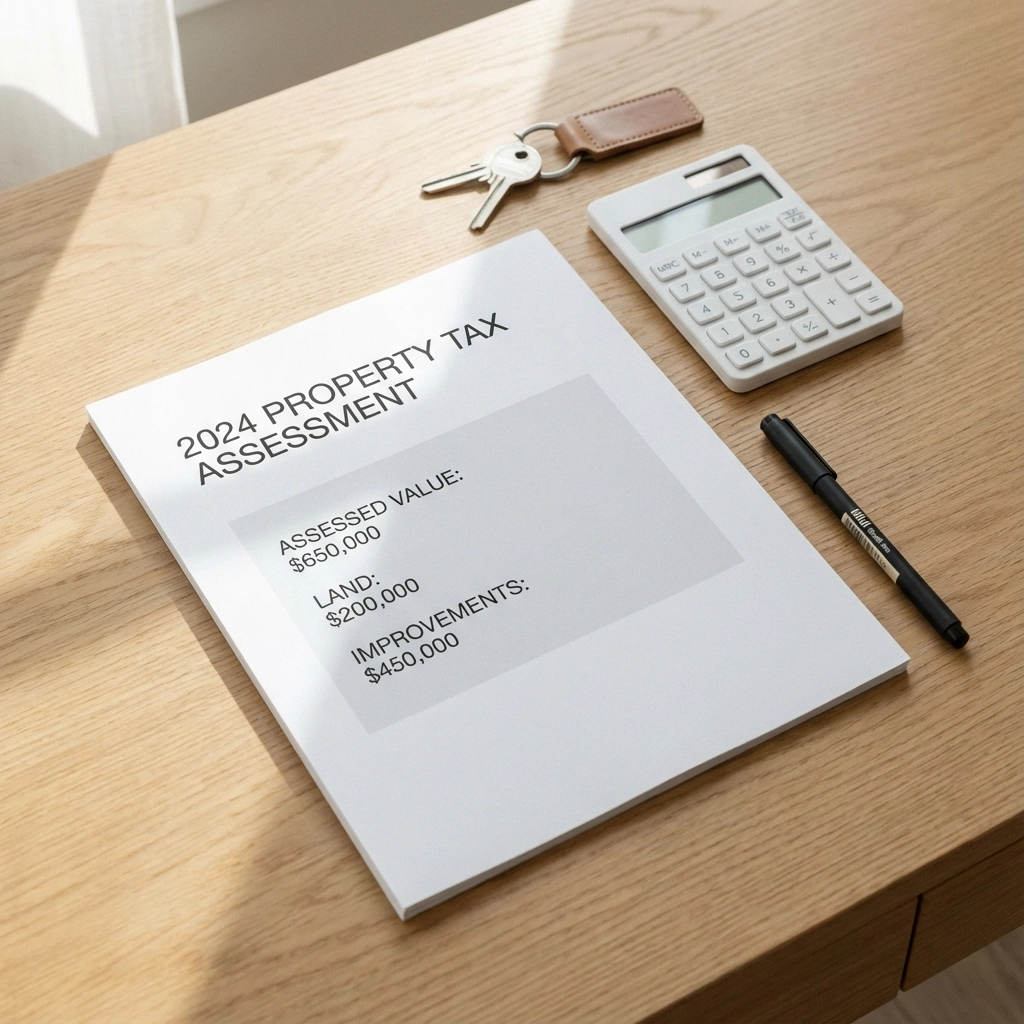
Property tax rates in Northeast Ohio are expressed in "mills": and one mill equals $1 in taxes for every $1,000 of assessed value. If your assessed value is $70,000 and your total millage rate is 25 mills, you'd owe $1,750 annually in property taxes ($70,000 ÷ 1,000 × 25).
But here's where it gets complicated: your millage rate isn't just one number. It's actually several different rates added together from:
- School districts (usually the largest portion)
- City or township
- County
- Special districts (library, fire, parks, etc.)
Each of these can change when voters approve new levies or when existing levies expire.
Inside vs. Outside Millage: The 10-Mill Floor
Ohio guarantees school districts a minimum of 10 mills without voter approval: this is called "inside millage." Everything above 10 mills requires voter-approved levies, known as "outside millage."
Most Northeast Ohio communities operate well above this 10-mill minimum. Westlake, for example, typically runs around 25-30 total mills, while some areas like parts of Cleveland can exceed 40 mills.
Why this matters: Inside millage is more predictable, but outside millage can change when levies come up for renewal or when new ones are approved. A failed school levy renewal could actually lower your taxes, while a successful new levy will increase them.
The Reappraisal Cycle That Catches Buyers Off Guard
Every six years, your county conducts a full reappraisal of all properties. Three years later, they perform an update to reflect current market conditions. This means your property's assessed value: and potentially your tax bill: can change even if you haven't improved the property.
Cuyahoga County's last reappraisal was completed in 2024, with the next update scheduled for 2027 and full reappraisal in 2030. Lake County follows a different schedule: their last reappraisal was in 2023.

How Your Taxes Change After You Buy
Here's what many buyers don't realize: your property taxes can increase significantly after purchase, even without any rate changes. If you buy a home that was previously underassessed compared to your purchase price, the county auditor may adjust the assessed value upward at the next update or reappraisal.
For example, if the previous owners bought their home in 2015 for $150,000, but you're buying it in 2026 for $220,000, there's a good chance the assessed value will increase to reflect current market value: not because of any tax rate changes, but because the property was previously undervalued.
The effective tax rate system provides some protection here. When property values rise across an entire community, Ohio's laws automatically reduce the millage rates to prevent massive tax increases. But this protection doesn't help if your specific property increases in value more than your neighborhood average.
Exemptions That Could Save You Money
Northeast Ohio offers several property tax exemptions that many homeowners never claim:
Homestead Exemption: If you're 65 or older, or qualify as disabled, you can exempt up to $25,000 of your home's market value from taxation. On a home with 25 mills, this exemption saves you about $219 annually.
Owner-Occupancy Credits: Available to homeowners who live in their property as their primary residence. The amount varies by county and community.
Disabled Veterans: Qualifying disabled veterans may be eligible for significant exemptions on their primary residence.
These exemptions don't happen automatically: you must apply for them through your county auditor's office.

Where to Research Before You Buy
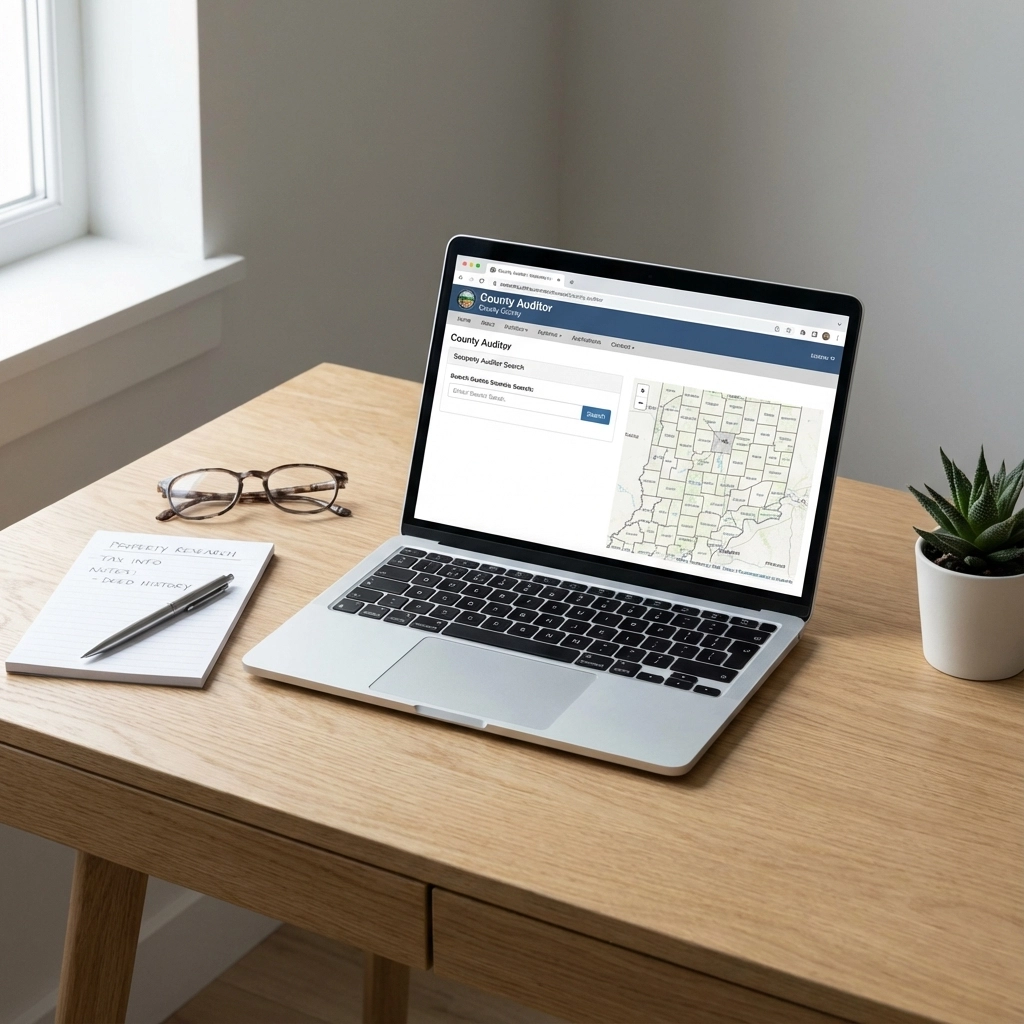
County Auditor Websites are your best resource for actual tax information:
Cuyahoga County: property.cuyahogacounty.us
Lake County: auditor.lakecountyohio.gov
Lorain County: loraincountyauditor.org
Summit County: https://fiscaloffice.summitoh.net/
Medina County: https://auditor.medinacounty.gov/
Enter the property address to see current assessed value, millage rates, and recent tax history. Pay attention to any pending assessments or appeals that might affect future bills.
School District Websites often list upcoming levy elections and renewal dates: crucial information for predicting future tax changes.
Questions to Ask Before Making an Offer
Smart buyers ask these specific questions:
About Current Taxes:
- What's the total effective millage rate for this property?
- When were taxes last paid, and are they current?
- Has this property been recently reassessed or appealed?
About Future Changes:
- When is the next reappraisal or update scheduled?
- Are there any pending levies or renewals in this school district?
- Is the seller claiming any exemptions that I might not qualify for?
About the Property:
- How does the current assessed value compare to recent sale prices in this neighborhood?
- Are there any special assessments for improvements (sidewalks, sewers, etc.)?
- Is this property part of any special taxing districts?
Your Property Tax Checklist
Before closing on any Northeast Ohio property:
☐ Verify current tax amounts using county auditor records
☐ Check reappraisal schedule for your county
☐ Research upcoming levies in the school district
☐ Calculate potential tax increases based on your purchase price vs. assessed value
☐ Identify available exemptions you might qualify for
☐ Confirm tax proration calculations with your lender
☐ Review millage breakdown by taxing entity
☐ Ask about recent appeals or assessment challenges
The Bottom Line on Northeast Ohio Property Taxes
Property taxes are rarely the reason to avoid buying a home you love, but they absolutely should factor into your affordability calculations. A difference of just 10 mills between two similar communities can mean $700+ annually on a $200,000 home purchase.
The key is going into your purchase with realistic expectations about both current costs and potential changes. Work with agents who understand local tax structures, and always verify tax information independently using county records.
Disclaimer: This information is for educational purposes only and should not be considered tax or legal advice. Property tax calculations and exemptions can be complex and vary by individual circumstances. Consult with qualified professionals for advice specific to your situation.
Ready to find a home in Northeast Ohio? Our team understands local property tax structures and can help you factor these costs into your buying decision. Contact us today to start your home search with complete financial clarity, or get a detailed market analysis of properties in your target area.

Carly Sablotny
REALTOR | Milestone Property Group | Keller Williams Living | PLACE
or another way