
Categories
BUYING, INVESTING, SELLINGPublished January 13, 2026
House Hacking in Northeast Ohio (2026): Duplexes, ADUs, and Renting Rooms: What's Actually Realistic

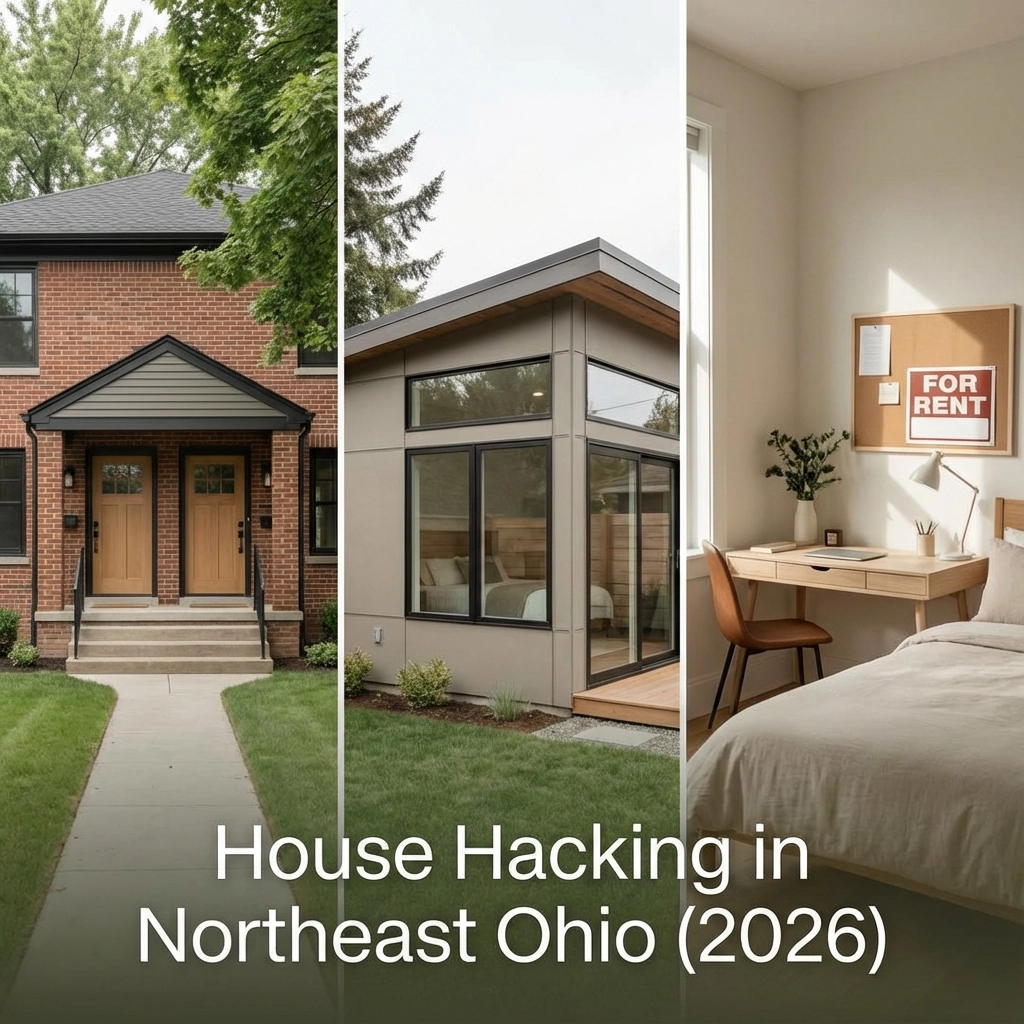
House Hacking in Northeast Ohio (2026): Duplexes, ADUs, and Renting Rooms: What's Actually Realistic
Everyone talks about house hacking like it's the magic bullet to homeownership... but the reality in Northeast Ohio is far more nuanced than the Instagram gurus want you to believe.
Let's break down what actually works here, what doesn't, and the real numbers you need to know before you dive in.
What House Hacking Actually Means (And Why Most People Get It Wrong)
House hacking means buying a property, living in part of it, and renting out the other part to help cover your mortgage. Simple concept, but the execution depends entirely on your local market, zoning laws, and financing options.
In Northeast Ohio, you've got three realistic approaches:
- Multi-family properties (duplexes, triplexes)
- Adding an ADU (accessory dwelling unit)
- Renting rooms in your single-family home
Each comes with specific challenges that most online advice completely ignores.
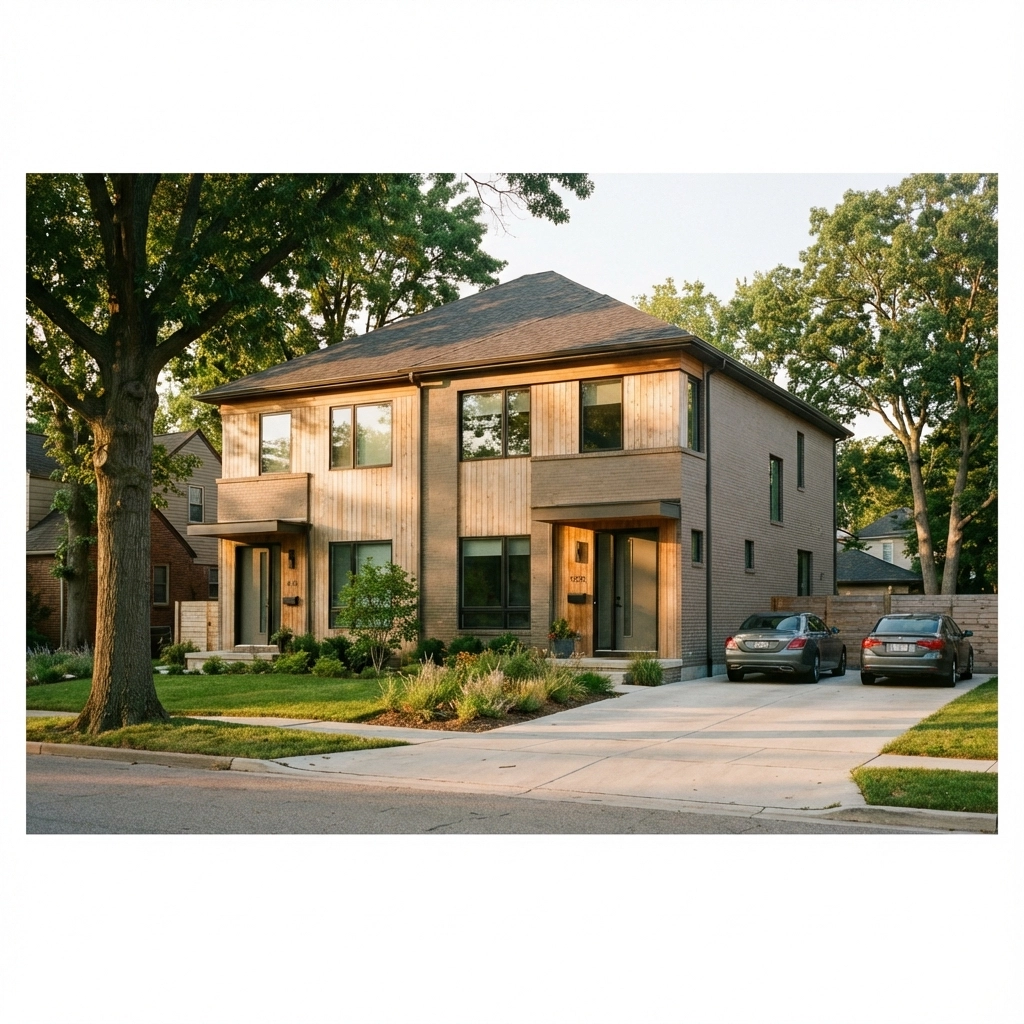
The Multi-Family Route: Your Best Bet in Northeast Ohio
Duplexes and triplexes are your strongest house hacking option here, especially in Cleveland's inner-ring suburbs like Lakewood, Cleveland Heights, and Parma. Here's why:
FHA vs. Conventional Financing
You can use an FHA loan on a 2-4 unit property as long as you live in one unit. This means just 3.5% down on a duplex, which changes everything for first-time buyers.
Example scenario: A duplex in Lakewood for $180,000. Your FHA down payment is $6,300. If the other unit rents for $900/month, that's $10,800 annually toward your mortgage.
With a conventional loan, you'd need 25% down ($45,000) on an investment property if you weren't living there. The owner-occupancy requirement makes FHA incredibly powerful.
The Owner-Occupancy Reality Check
Here's what lenders actually require: You must live in the property for at least one year after closing. Not six months. Not "whenever you feel like it." One full year.
After that year, you can move out and rent your unit too, but during that first year, you're locked in. Plan accordingly.
Where to Look (And Where to Avoid)
Strong duplex markets in Northeast Ohio:
- Lakewood (walkable, younger renters)
- Cleveland Heights (near Case Western)
- Parma (affordable, stable working families)
- Tremont (gentrifying, higher rents)
Avoid these areas for house hacking:
- Downtown Cleveland condos (HOA restrictions)
- Far eastern suburbs (rental demand too low)
- Properties over 30 minutes from employment centers
ADUs: The Zoning Nightmare You Need to Understand
Accessory Dwelling Units sound perfect in theory: add a small apartment to your existing home and rent it out. In practice, Northeast Ohio's zoning laws make this incredibly complicated.
The Zoning Reality
Most Cleveland suburbs don't allow ADUs in residential zones. Period. You'll need to:
- Check with your specific city's zoning department
- Potentially apply for a variance (expensive, time-consuming)
- Meet setback, parking, and utility requirements
- Get all permits and inspections
Cleveland proper is more ADU-friendly, but you'll still face strict regulations on size, parking, and separate entrances.
The Real Costs
Building an ADU from scratch typically costs $80,000-$120,000 in Northeast Ohio. Converting an existing basement or garage might run $30,000-$50,000, but only if your property allows it.
Do the math: If you can rent an ADU for $700-$900/month, you're looking at 7-10 years just to break even on construction costs, not including financing.
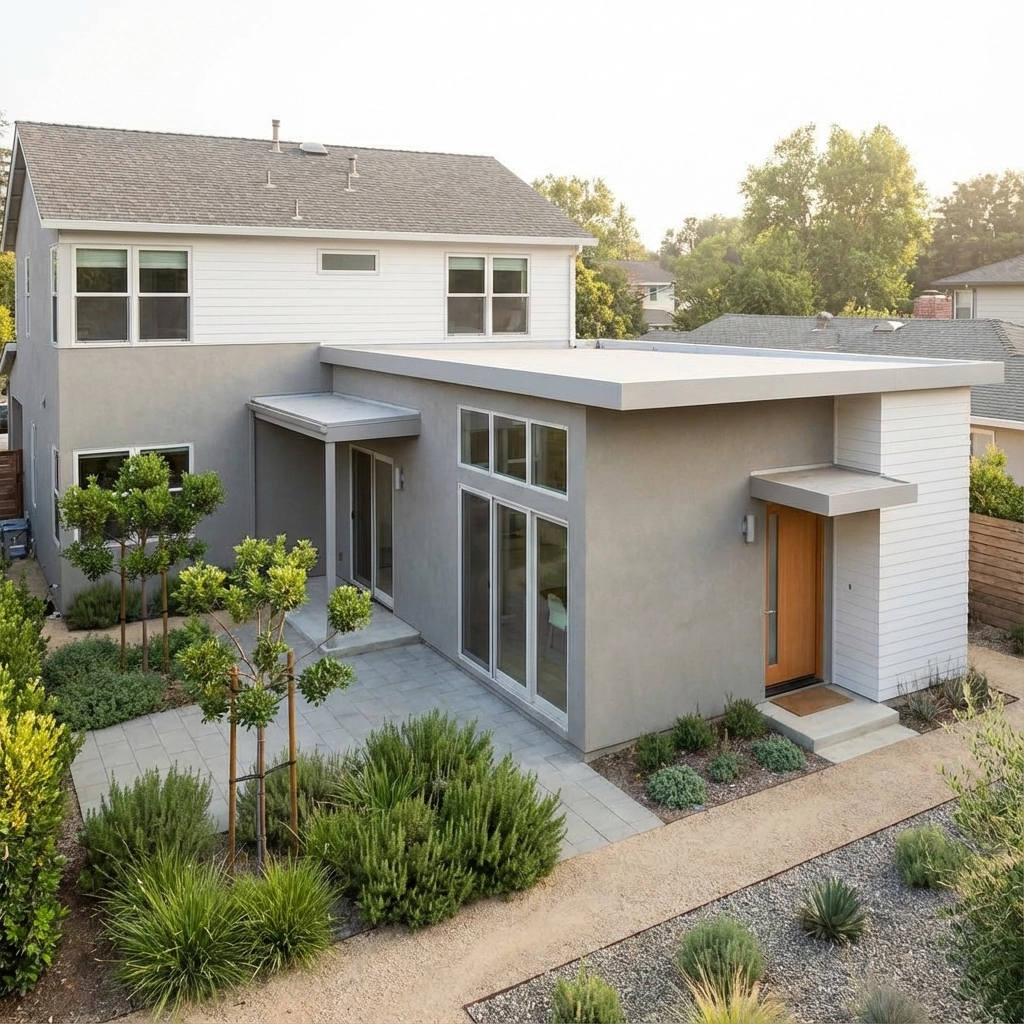
Renting Rooms: The Strategy Most People Mess Up
Renting out individual rooms in your house seems easiest, but it comes with hidden complications that can destroy the whole arrangement.
What Actually Works
Rent to working professionals, not college students or short-term visitors. Look for:
- Separate bathroom access
- Multiple parking spots
- Basement or upper-level separation
- Professional tenants who travel frequently
The Insurance Problem Nobody Mentions
Your standard homeowner's insurance doesn't cover rental activity. You'll need to add rental coverage or switch to a landlord policy for the portions you're renting.
Cost: Expect an additional $500-$1,500 annually for proper coverage. Skip this, and you're completely unprotected if something goes wrong.
Screening Is Everything
Professional tenant screening costs $30-$50 per applicant and includes credit checks, employment verification, and criminal background. This isn't optional: it's the difference between a helpful tenant and a nightmare.
The Money: What Rental Income Actually Covers
Let's run real numbers on a Cleveland suburb duplex scenario:
Property: $180,000 duplex in Parma
Down payment: $6,300 (FHA 3.5%)
Monthly mortgage: ~$1,200 (including taxes/insurance)
Rental income: $900/month from other unit
Your effective housing cost: $300/month
But that's before:
- Vacancy periods (budget 1-2 months annually)
- Maintenance and repairs
- Additional insurance costs
- Property management (if you use it)
Realistic effective housing cost: $500-$600/month instead of the full $1,200.
Lender Requirements That Trip People Up
Rental Income Calculations
Lenders will only count 75% of projected rental income when qualifying you for the loan. They assume 25% vacancy and expenses, which is actually conservative for good properties in strong areas.
Experience Requirements
Some lenders require landlord experience for multi-family properties. Others don't. Shop around: this varies significantly between lenders.
Reserves
Expect to show 2-6 months of mortgage payments in reserves, depending on the property type and your experience level.
Property Layout: What Actually Matters
Parking Is Non-Negotiable
Each unit needs its own parking space in Northeast Ohio. Street parking doesn't count. Winter snow makes this absolutely critical.
Separate Utilities
Properties with separate electric, gas, and water meters are far easier to manage and more attractive to tenants. Converting to separate utilities can cost $3,000-$8,000 but pays for itself in simplified management.
Storage and Laundry
Basement access, storage space, and laundry hookups significantly impact rental rates. A duplex where tenants share these amenities rents for less than one with separate facilities.
The Cleveland-Specific Advantages
Affordable Entry Points
Northeast Ohio's property prices make house hacking accessible where it's impossible in coastal markets. $180,000 for a duplex in a decent neighborhood simply doesn't exist in most major metro areas.
Strong Rental Demand
Healthcare systems (Cleveland Clinic, University Hospitals), universities (Case Western, Cleveland State), and growing tech sectors create consistent rental demand for quality properties.
Property Tax Considerations
Ohio's property tax rates vary dramatically by municipality. Parma's effective rate is around 2.4%, while some eastside suburbs exceed 3.5%. Factor this into your calculations: it significantly impacts cash flow.
Common Mistakes That Kill Deals
Underestimating Maintenance
Budget $1,000-$2,000 annually per unit for maintenance and repairs. Old Northeast Ohio housing stock requires consistent upkeep.
Ignoring Local Ordinances
Some Cleveland suburbs require rental licensing, regular inspections, or occupancy limits. Research these requirements before you buy.
Overestimating Rents
Check actual rental comps, not Zillow estimates. Drive the neighborhoods and see what similar properties actually rent for.
Making Your Decision
House hacking works in Northeast Ohio, but success depends on choosing the right strategy for your situation:
- Stable income, minimal experience: Start with a duplex using FHA financing
- Existing homeowner, good equity: Consider adding an ADU (after confirming zoning)
- Risk-tolerant, hands-on: Room rentals can work with the right property layout
The key is understanding your local market, financing options, and regulations before you commit. What works in Cincinnati or Columbus won't necessarily work in Cleveland Heights or Westlake.
Important Disclaimer: This information is educational only and doesn't constitute financial, legal, or investment advice. Consult with qualified professionals before making real estate investment decisions. Rental regulations, zoning laws, and market conditions change frequently.
Ready to explore house hacking opportunities in Northeast Ohio? Our team understands the local market dynamics and can help you find properties that actually work for your investment strategy. Contact us today to start your search with realistic expectations and insider knowledge of what makes sense in this market.

Carly Sablotny
REALTOR | Milestone Property Group | Keller Williams Living | PLACE
or another way