
Categories
BUYING, INVESTING, SELLINGPublished January 17, 2026
Homeowners Insurance in 2026: What Can Make a Home Hard to Insure (Roof Age, Claims, Knob-and-Tube, and More)


Homeowners Insurance in 2026: What Can Make a Home Hard to Insure (Roof Age, Claims, Knob-and-Tube, and More)

Most buyers focus on finding the perfect home at the right price. But the real challenge in 2026 goes far beyond getting your offer accepted: it's about whether you can actually get that home insured.
Insurance companies have gotten pickier. Way pickier. What used to be a simple phone call to get a quote has turned into a detailed investigation of everything from your roof's birthday to whether your basement still has wiring from the Eisenhower administration.
Here in Northeast Ohio, buyers are learning this lesson the hard way. You'll find the perfect house, get your financing lined up, and then discover your insurance options are either nonexistent or cost more than your mortgage payment.
Why Northeast Ohio Homes Face Unique Insurance Challenges
Northeast Ohio sits in what insurers call a "moderate risk" zone, but that doesn't mean we're in the clear. Our region deals with severe thunderstorms, occasional flooding, and the ever-present threat of hail damage. Lake Erie's proximity creates unique weather patterns that insurers are still figuring out how to price.
The bigger issue? Our housing stock is old. Many neighborhoods in Cleveland, Akron, and surrounding areas feature homes built between 1900-1950. These charming older homes come with charm... and insurance headaches.
Insurance companies are now conducting what they call "property-level underwriting": essentially a background check on your house. They're not just looking at your credit score anymore; they're diving deep into the bones of the property.
The Roof Reality Check
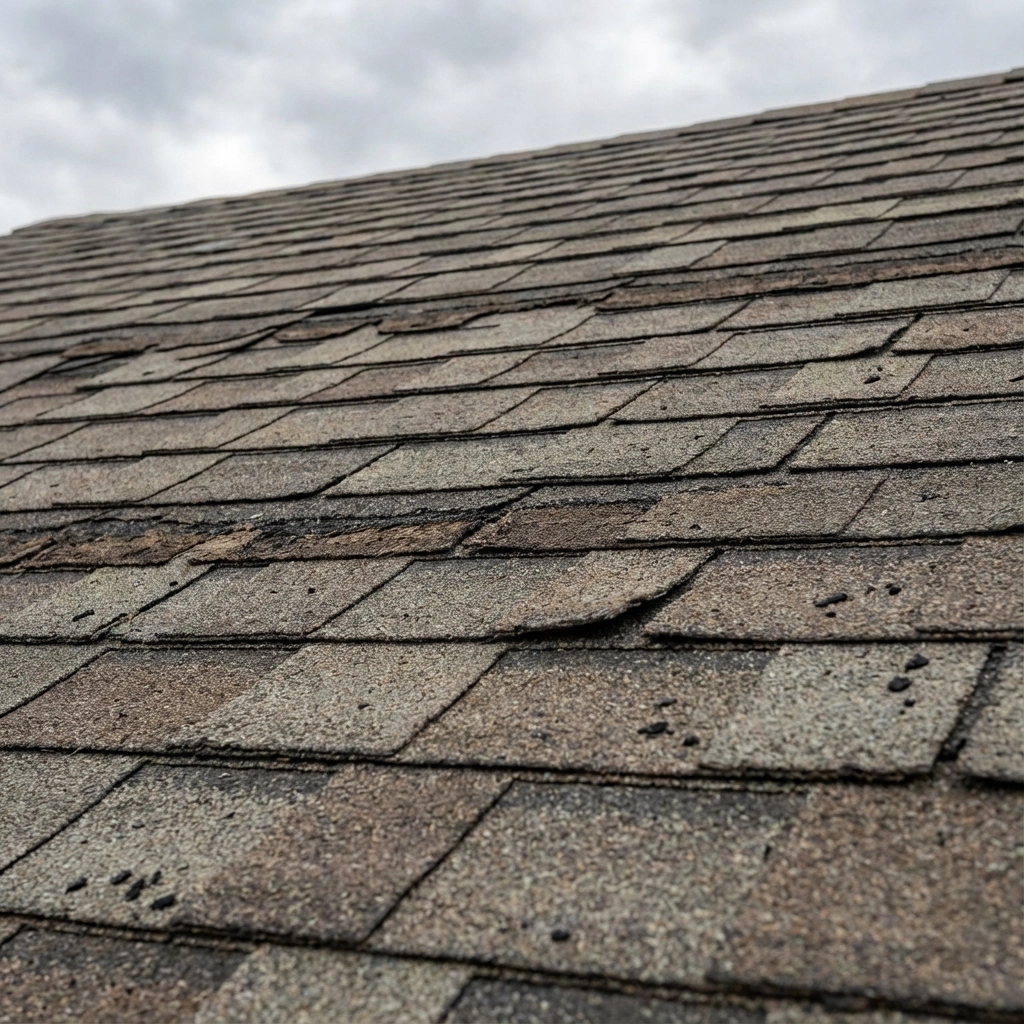
Your roof is the first thing insurers examine, and in 2026, they've gotten ruthless about age limits. Most companies won't touch a home with a roof over 20 years old without a professional inspection. Some won't insure roofs over 15 years old, period.
But here's what buyers forget: it's not just about age. Insurance companies are looking at:
- Materials used (composition shingles are preferred, wood shake is nearly uninsurable)
- Previous hail claims in your ZIP code
- Granule loss and visible wear patterns
- Gutters and drainage systems
- Attic ventilation and insulation
A roof that looks "fine" to you might be a deal-breaker for insurers. They've gotten sophisticated about predicting future claims, and an aging roof is their biggest red flag.
The Electrical Time Bomb
Knob-and-tube wiring is insurance kryptonite. If your potential home still has this 1880s-1940s electrical system, you're looking at either:
- Immediate denial of coverage
- Sky-high premiums with massive deductibles
- Requirements for complete rewiring before binding coverage
But knob-and-tube isn't the only electrical issue. Insurance companies are also concerned about:
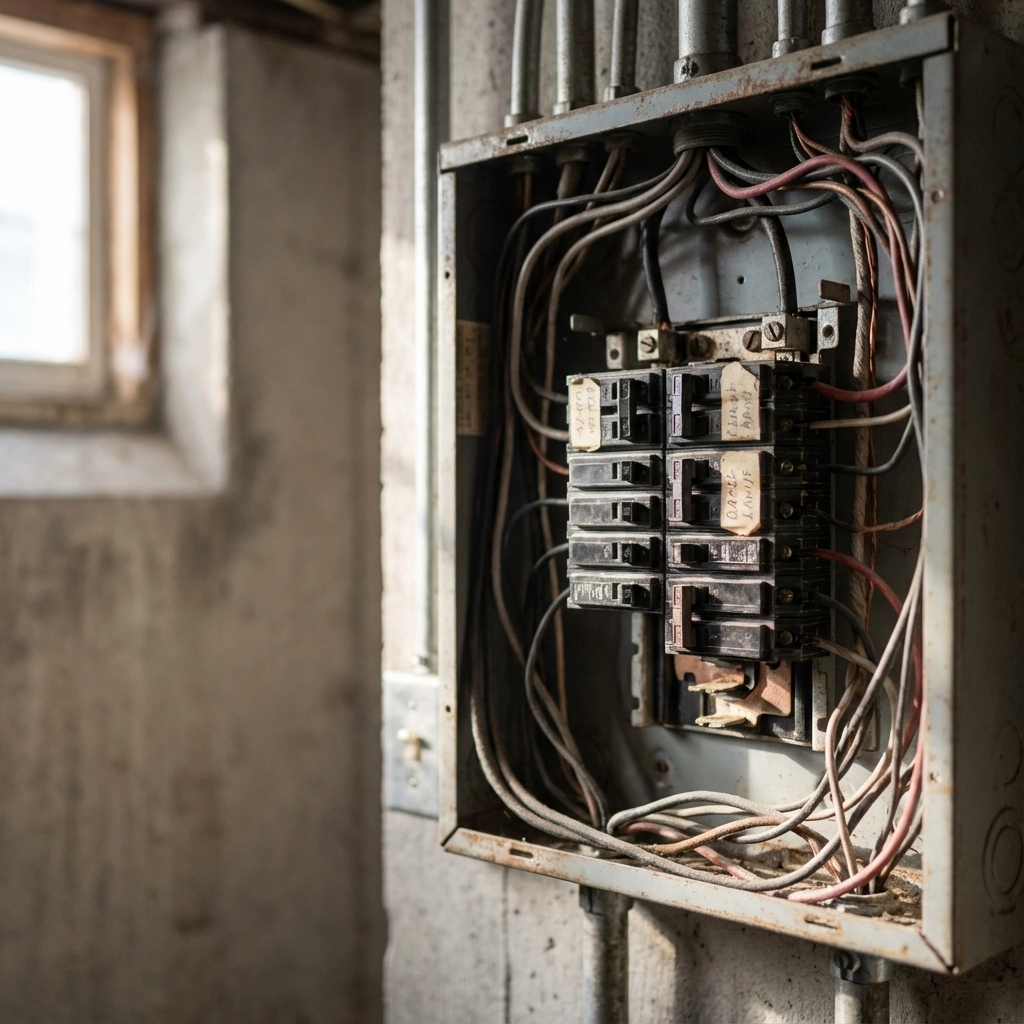
- Federal Pacific Electric (FPE) panels from the 1950s-1980s
- Zinsco panels that are known fire hazards
- Aluminum wiring from the 1960s-1970s
- GFCI protection in kitchens, bathrooms, and outdoor areas
The real cost of these electrical issues goes beyond insurance. You're looking at $8,000-$25,000 for complete rewiring, and that's before you factor in drywall repair and painting.
Plumbing Problems That Sink Your Coverage
Insurance companies have become water damage experts, and they know exactly which plumbing systems cause the most claims. Homes with these features face higher premiums or coverage restrictions:
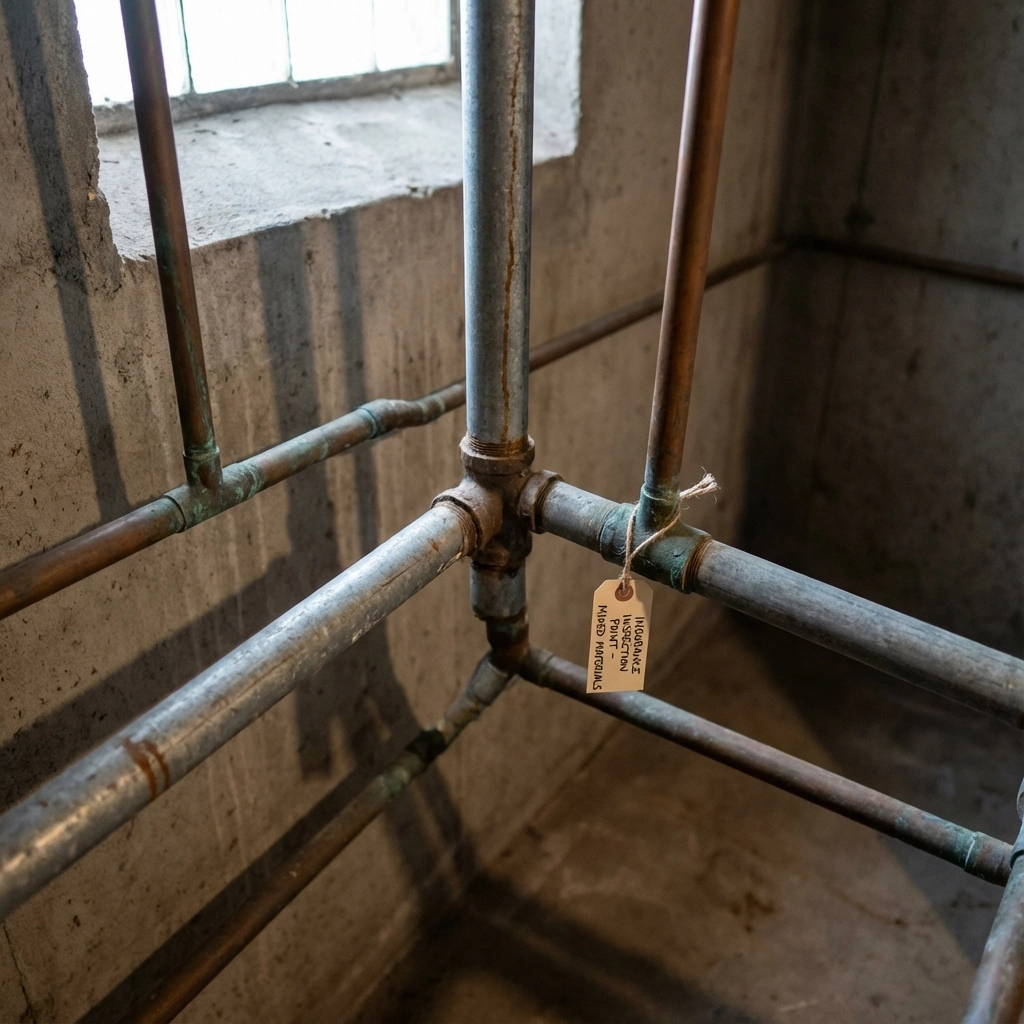
- Galvanized steel pipes (common in homes built before 1960)
- Polybutylene pipes (used from 1978-1995, known for sudden failures)
- Cast iron sewer lines over 40 years old
- Sump pumps in basements (actually increases flood risk in some cases)
The insurance logic is simple: water damage claims are expensive and frequent. A burst pipe in your basement can easily cost $50,000+ in repairs, so insurers want to avoid homes where pipe failures are likely.
Your Claims History Follows You (And the House)
This one surprises buyers. Insurance companies track claims by property address, not just by policyholder. If the previous homeowner filed multiple claims: especially water damage or wind claims: that history stays with the house for up to seven years.
You might be the most careful homeowner in Ohio, but if the previous owner filed three roof claims in five years, you're inheriting their insurance problems. This information shows up in the Comprehensive Loss Underwriting Exchange (CLUE) report, which follows properties like a credit report.
The Hidden Liability Factors
Insurance companies care about more than just the structure: they're evaluating your liability risk. Factors that can make coverage expensive or impossible include:
Dog Breeds: Pit bulls, Rottweilers, German Shepherds, and several other breeds are either excluded or require additional liability coverage. Some companies maintain "restricted breed" lists with over 20 dog breeds.
Swimming Pools: Any pool (above-ground or in-ground) typically requires additional liability coverage. Diving boards and slides can make coverage even more expensive or unavailable.
Trampolines: Most insurance companies either exclude trampoline-related injuries or charge hefty premiums for liability coverage.
Home-Based Businesses: If you plan to run any business from the property, standard homeowner's policies typically exclude coverage for business-related claims.
The Credit Score Connection
Your credit score affects more than just your mortgage rate: it directly impacts your insurance premiums and eligibility. In Ohio, insurance companies can use credit-based insurance scores to determine rates, and the difference can be substantial.
A buyer with excellent credit might pay $1,200 annually for coverage, while someone with poor credit could pay $2,800+ for the exact same house and coverage limits. Some companies won't write policies at all for applicants below certain credit thresholds.
Location-Specific Risk Factors
Even within Northeast Ohio, your specific address matters enormously. Insurance companies use sophisticated mapping to identify high-risk areas:
Flood Zones: Even if you're not required to carry flood insurance, being in a flood zone affects your homeowner's coverage and premiums.
Fire Departments: Homes more than five miles from a fire station face higher premiums or coverage restrictions.
Crime Statistics: Break-in and theft claims are tracked by ZIP code and even by specific streets.
Proximity to Water: Homes near Lake Erie or major rivers may face restrictions on certain types of coverage.
What This Means for Your Home Purchase
Understanding insurance challenges before you start house hunting can save you from heartbreak later. Here's what smart buyers do in 2026:
Get Insurance Quotes Early: Don't wait until you're under contract. Call insurers with specific addresses you're considering to understand potential issues upfront.
Budget for Improvements: Factor in the cost of electrical, plumbing, or roofing updates when calculating your total investment. That $200,000 house might need $30,000 in immediate updates to be insurable.
Consider Insurance Costs in Your Offer: If a home has known insurance challenges (old roof, knob-and-tube wiring), factor those costs into your offering strategy.
Working Around Insurance Challenges
If you fall in love with a house that has insurance red flags, you still have options:
Surplus Lines Insurance: These companies specialize in hard-to-insure properties but charge higher premiums and offer less consumer protection.
State FAIR Plans: Ohio's FAIR plan provides basic coverage for properties that can't get insurance elsewhere, but coverage is limited and expensive.
Improvement Requirements: Some insurers will provide coverage contingent on specific improvements (new roof, electrical updates) within a certain timeframe.
The Bottom Line for Northeast Ohio Buyers
Insurance availability and cost have become major factors in home affordability. A house that seems perfectly priced might become unaffordable once you factor in insurance premiums that are double or triple what you expected.
The key is treating insurance research as seriously as you treat home inspections and financing. Call multiple insurance companies, get specific quotes for actual addresses, and understand what improvements might be required.
In 2026's market, the best-prepared buyers aren't just getting pre-approved for mortgages: they're getting pre-approved for insurance too. Because finding the perfect home doesn't mean much if you can't protect it.
Smart buyers work with real estate professionals who understand these insurance realities and can guide you toward properties that won't break your budget with impossible insurance requirements. The goal isn't just finding a house you love: it's finding a house you can actually afford to own.

Carly Sablotny
REALTOR | Milestone Property Group | Keller Williams Living | PLACE
or another way